
What's Happening?
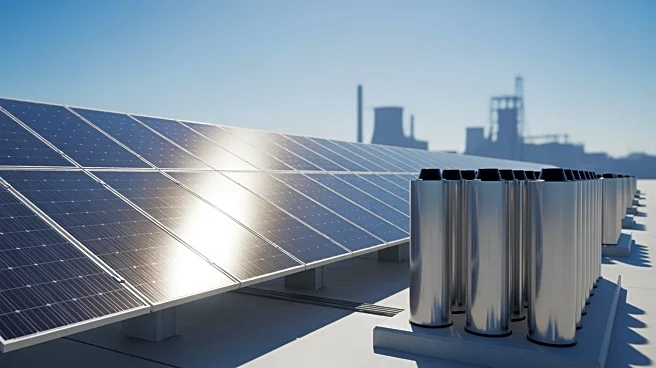
Xcel Energy is advancing its plans to transition the Sherco Energy Hub in Minnesota from coal to renewable energy sources. The company has announced the development of a massive solar plus storage facility,
which will replace the existing coal power plant. The Sherco Solar array, a 710-megawatt solar plant, is set to become fully operational by 2026, replacing the capacity of a retired coal unit. Additionally, Xcel plans to construct a 600-megawatt battery energy storage system, the largest in the Midwest, to support the solar plant. This move is part of Xcel's broader strategy to retire all remaining coal power plants in the region and leverage renewable energy assets, including existing nuclear facilities and a new gas plant with potential hydrogen conversion.
Why It's Important?
This transition marks a significant shift in Minnesota's energy landscape, emphasizing the growing role of renewable energy in the U.S. The move away from coal to solar and storage solutions aligns with broader environmental goals and economic considerations. By investing in renewable energy, Xcel aims to reduce reliance on fossil fuels, lower carbon emissions, and provide more reliable and cost-effective energy solutions. The project also highlights the economic benefits of renewable energy, such as job creation in solar and storage sectors, and the potential for federal tax credits to offset project costs. This shift could serve as a model for other regions looking to transition from coal to cleaner energy sources.
What's Next?
Xcel Energy plans to begin construction on the battery storage projects in 2026, with the goal of having them operational by late 2027. The company is also exploring additional solar capacity expansions and expects to qualify for federal tax credits to support these initiatives. As the transition progresses, stakeholders, including local communities, environmental groups, and regulatory bodies, will likely monitor the project's impact on energy prices, reliability, and environmental outcomes. The success of this transition could influence future energy policies and investments in renewable energy infrastructure across the U.S.
Beyond the Headlines
The Sherco Energy Hub's transition also includes innovative practices like solar grazing, where sheep are used to manage vegetation around solar panels. This practice not only reduces maintenance costs but also supports local agriculture and enhances biodiversity. The integration of solar grazing reflects a broader trend towards sustainable and multifunctional land use in renewable energy projects. Additionally, the shift away from coal highlights the challenges faced by traditional energy sectors and the need for strategic planning to manage workforce transitions and community impacts.




