







What's Happening?
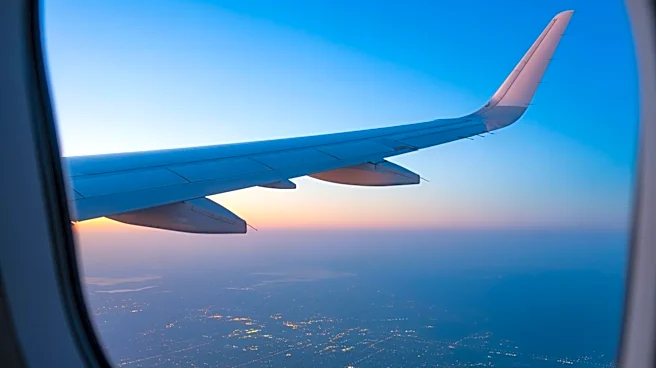
Lufthansa Group carriers are set to gradually resume flights to Tel Aviv, which had been suspended since the outbreak of the Iran conflict in late February. Austrian Airlines will restart its services to Israel from the beginning of June, followed by
Lufthansa Airlines and Swiss International Air Lines in early July. Eurowings, the leisure unit of Lufthansa, plans to resume its flights by mid-July. Meanwhile, Brussels Airlines has extended its suspension of Tel Aviv flights until October 24. The decision to resume these routes comes after a comprehensive safety and security assessment by Lufthansa. Additionally, low-cost carrier Wizz Air has announced plans to resume its Tel Aviv flights from May 28. The European Union Aviation Safety Agency (EASA) has issued an updated advisory for airspace in the Middle East, recommending caution for flights in the region.
Why It's Important?
The resumption of flights by Lufthansa Group carriers to Tel Aviv is significant as it marks a cautious return to normalcy in air travel amidst ongoing regional tensions. This move is crucial for the airline industry, which has been heavily impacted by geopolitical conflicts and the COVID-19 pandemic. Restoring these routes could help boost economic ties and tourism between Europe and Israel, providing a much-needed economic stimulus. For passengers, the resumption offers more travel options and connectivity. However, the ongoing advisory by EASA highlights the persistent risks in the region, necessitating careful navigation by airlines to ensure passenger safety.
What's Next?
As Lufthansa Group and other carriers resume flights to Tel Aviv, they will likely continue to monitor the geopolitical situation closely. Airlines may adjust their schedules and routes based on further developments in the region. The aviation industry will also be watching for any changes in advisories from EASA and other regulatory bodies. Additionally, airlines might implement enhanced safety protocols to reassure passengers and comply with international safety standards. The situation remains fluid, and airlines will need to remain adaptable to any changes in the regional security landscape.