


What's Happening?
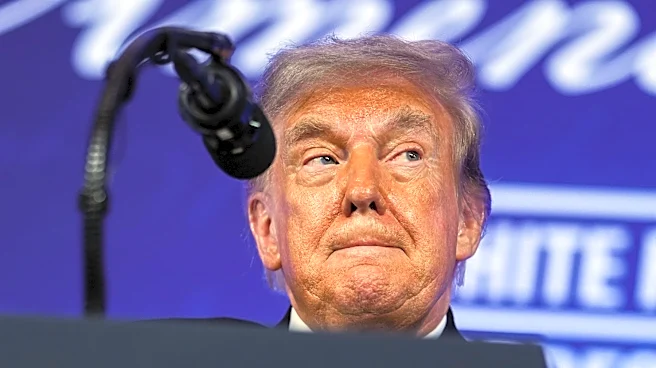
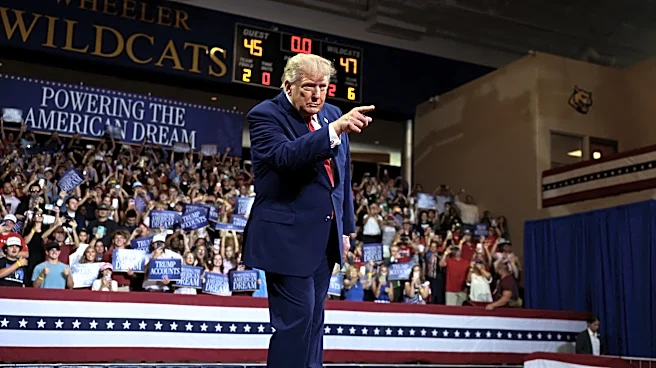
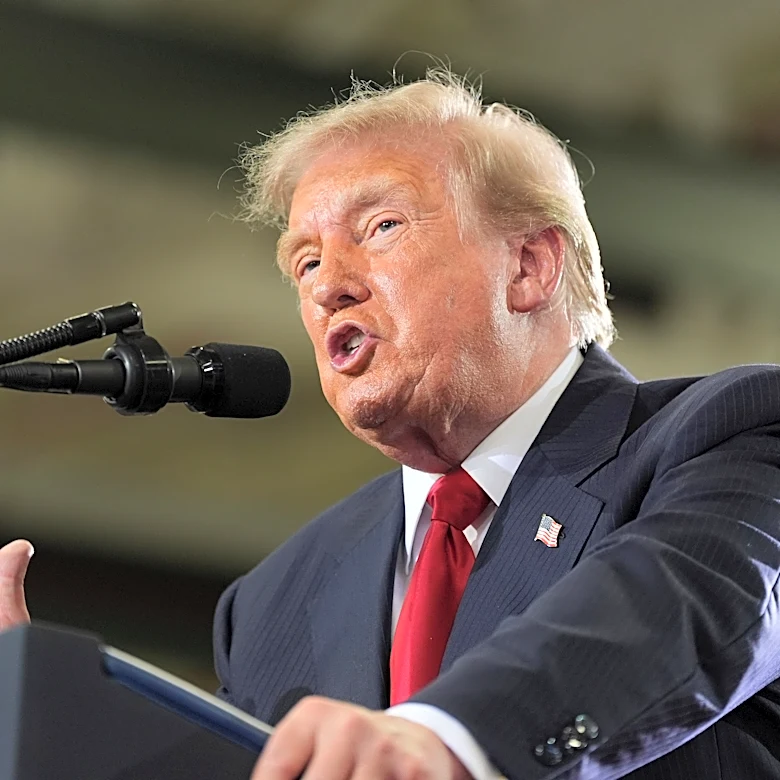
President Trump has reduced the frequency of his public rallies, opting instead to express his views through social media platforms like Truth Social. Recent posts have included a mix of personal attacks, AI-generated memes, and promotional content. This
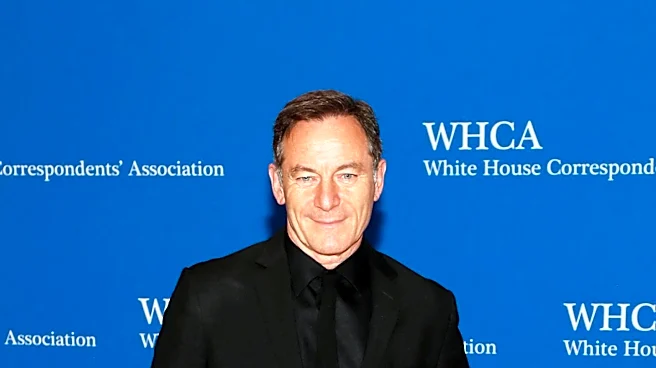
shift in communication style reflects a broader trend of political figures utilizing digital platforms to reach their audience. Despite attempts by anti-Trump influencers to highlight these posts, they have not gained significant traction. The change in Trump's public engagement strategy coincides with a period of declining interest in traditional political events, such as the White House Correspondents' Dinner, which some attendees feel has become more about Trump than journalism.
Why It's Important?
The move away from traditional rallies to digital communication represents a significant shift in how political figures engage with the public. This change could influence future political campaigns and the way politicians interact with their constituents. The use of social media allows for direct communication, bypassing traditional media channels, which can alter public perception and media coverage. Additionally, the diminishing impact of events like the White House Correspondents' Dinner suggests a potential reevaluation of how political and media interactions are conducted, possibly leading to new formats that better reflect current public interests.
What's Next?
As President Trump continues to utilize social media as his primary communication tool, it is likely that other political figures may follow suit, further transforming the landscape of political engagement. This could lead to increased scrutiny of social media platforms and their role in political discourse. Additionally, the evolving nature of political events may prompt organizers to innovate and adapt to changing audience expectations, potentially leading to new forms of political and media interaction.