



What's Happening?
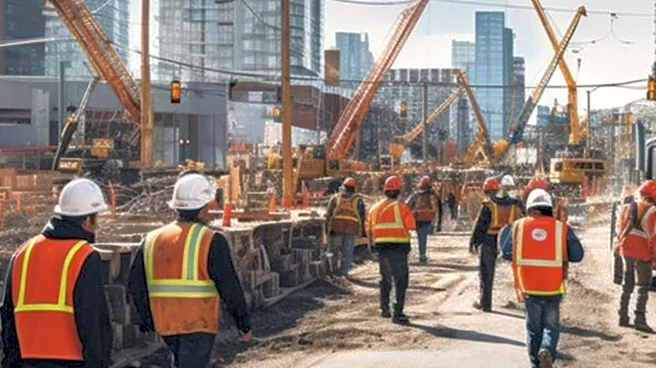
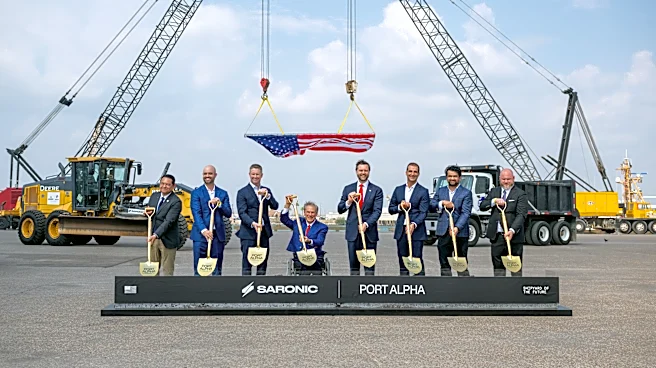
Fort Worth has officially broken ground on the Martin Luther King Jr. Community Center, which will include a branch library and an aquatics center, in the Stop Six neighborhood. This development is situated in the former Cavile Place public housing project,
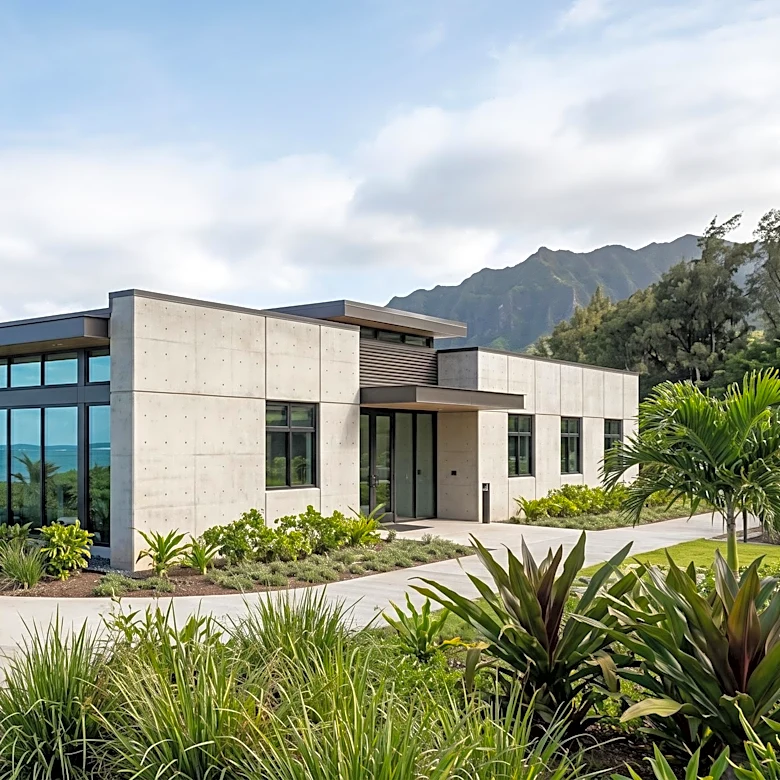
which was demolished starting in late 2020 and is currently being redeveloped with new residential complexes. The planned 28,000-square-foot community center will feature a gym, fitness room, youth game room, senior room, two multipurpose rooms, a public-use kitchen, and a library branch. The aquatics center will boast an eight-lane, 25-yard lap pool, a leisure pool, and a water slide. The project, located on a 5.21-acre site on Liberty Street, south of East Rosedale Street, is expected to be completed by July 2028. Funding for the community center totals $27.27 million, sourced from a 2022 bond program and 2026 city certificates of obligation. The aquatics center received $12.6 million from similar funding mechanisms. City Council member Deborah Peoples highlighted the project's significance for the Stop Six community, which has faced historical disinvestment.
Why It's Important?
This groundbreaking marks a significant step in the revitalization of Fort Worth's Stop Six neighborhood, an area that has experienced considerable challenges and historical disinvestment. The new community center, library, and aquatics facility are designed to provide essential services and recreational opportunities, directly addressing the needs of residents. The inclusion of a library branch, replacing one lost during the Cavile Place demolition, ensures continued access to educational resources. The aquatics center and other recreational amenities aim to improve the quality of life for youth and seniors, fostering community engagement and well-being. This project is part of a larger initiative to replace the former 300-unit Cavile Place with 925 new residential units, signifying a comprehensive approach to urban renewal. The investment in public infrastructure is crucial for supporting the new residential developments and creating a more vibrant, self-sustaining community, potentially attracting further private investment and improving local economic conditions.
What's Next?
Construction on the Martin Luther King Jr. Community Center and aquatics center is projected to conclude by July 2028. Following completion, the facilities will open to the public, offering a range of programs and services. The city is also working on naming the new library branch after the late council member Franklin Moss Sr., who was instrumental in the community center's planning. Fort Worth Housing Solutions continues to direct the residential revitalization efforts, with 416 residential units already completed and a total of 925 units planned to replace the former Cavile Place. The successful integration of these new community assets with the ongoing residential development will be key to the long-term success of the Stop Six revitalization. Future steps will likely involve community outreach to ensure residents are aware of and utilize the new facilities, as well as ongoing monitoring of the project's impact on the neighborhood's social and economic landscape.
Beyond the Headlines
The development in Fort Worth's Stop Six neighborhood transcends a simple construction project; it represents a broader commitment to rectifying historical inequities and fostering community resilience. The emphasis on replacing public housing with new residential complexes, coupled with significant investment in public amenities like a community center and library, reflects a strategic shift towards holistic urban redevelopment. This approach aims not only to provide housing but also to create an environment where residents have access to education, recreation, and social support, thereby addressing systemic issues that contribute to poverty and disadvantage. The project's delay due to federal funding restrictions, which initially limited funds to housing, highlights the complexities of urban renewal and the need for flexible, multi-faceted funding strategies. The eventual success of this initiative could serve as a model for other U.S. cities grappling with similar challenges in revitalizing historically underserved communities, demonstrating the profound impact of integrated community planning.