


What's Happening?
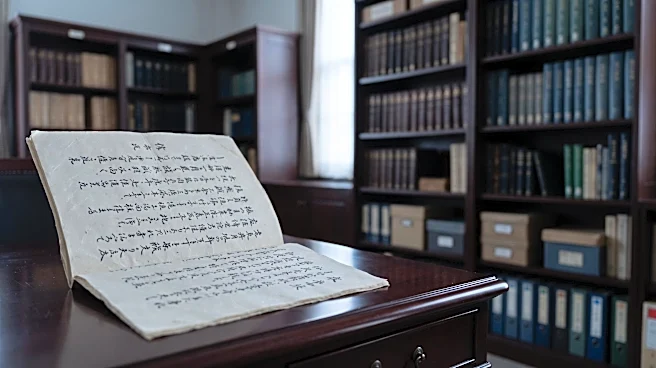
A newly reviewed historical document indicates that the Imperial Japanese Army secretly contemplated imposing martial law in Tokyo in January 1945. This consideration occurred during the concluding phases of World War II, driven by concerns that extensive
U.S. air raids could lead to significant disruptions in public order. The study, however, considerably underestimated the potential devastation from such air raids. While the army projected approximately 13,700 fatalities from two air raids, the Great Tokyo Air Raid alone on March 10, 1945, resulted in the deaths of around 100,000 people, primarily in downtown areas. Martial law, which would have granted the military administrative authority and other powers, was ultimately not implemented.
Why It's Important?
This revelation offers a deeper understanding of the internal deliberations and anxieties within the Imperial Japanese Army during the final, desperate months of World War II. It highlights the military's perception of the fragility of public order under the anticipated strain of intensified U.S. aerial bombardment. The significant discrepancy between the army's casualty estimates and the actual death toll of the Great Tokyo Air Raid underscores a profound miscalculation of the scale and impact of the Allied offensive. This underestimation likely influenced strategic decisions and preparedness, potentially contributing to the devastating consequences experienced by the civilian population. The consideration of martial law reflects a military leadership grappling with the potential collapse of civil authority and seeking extreme measures to maintain control, even as the war effort was faltering.
What's Next?
The discovery and review of such historical documents contribute to ongoing academic research and public understanding of World War II. Historians and researchers will likely continue to analyze this document and others to piece together a more complete picture of Japan's internal state during the war. This could lead to further insights into the decision-making processes of the Imperial Japanese Army and government, as well as the societal conditions in Japan at the time. The document may also prompt further investigations into other unrevealed plans or contingencies considered by the Japanese leadership as the war drew to a close.
Beyond the Headlines
This document sheds light on the psychological and strategic pressures faced by a nation on the brink of defeat. The contemplation of martial law reveals a military establishment prioritizing control and order above all else, even as its ability to protect its citizens was diminishing. It also serves as a stark reminder of the human cost of war and the often-underestimated impact of military actions on civilian populations. The vast difference between projected and actual casualties in the air raids highlights a disconnect between military planning and the realities of modern warfare, a lesson that continues to resonate in contemporary conflicts. Furthermore, it underscores the importance of historical archives in uncovering hidden aspects of past events and informing future generations.