






What's Happening?
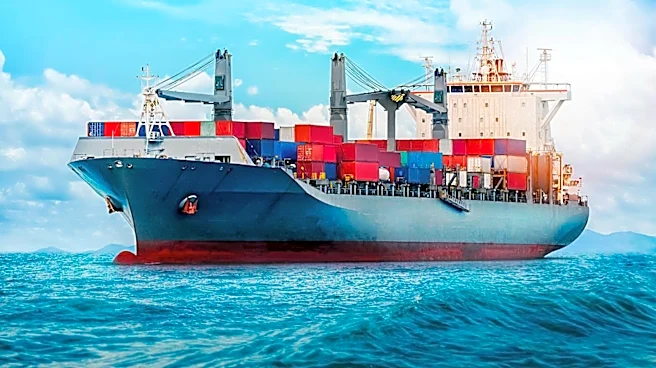
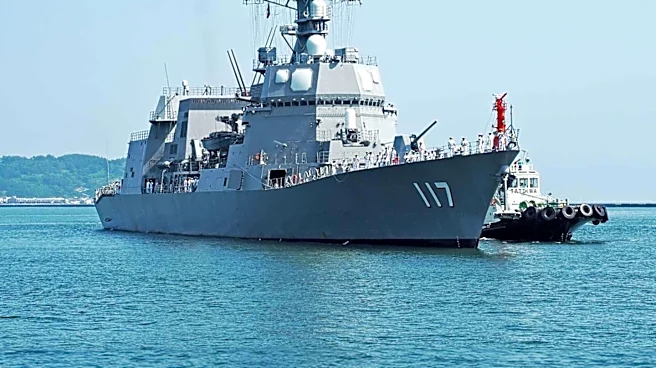
The European Union's naval mission Aspides has successfully escorted a commercial cargo vessel through the Red Sea, highlighting its role in protecting merchant ships amid escalating threats from Houthi attacks. The mission, which involves the Italian
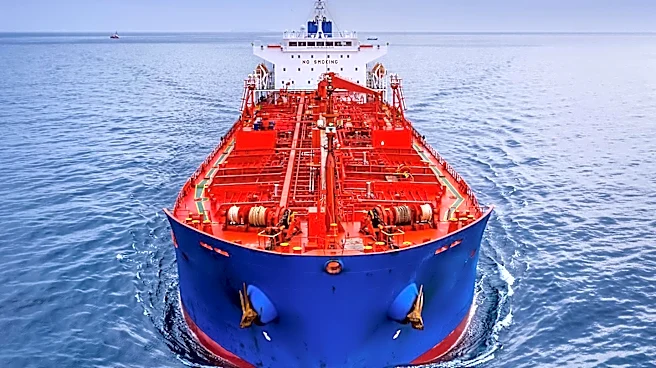
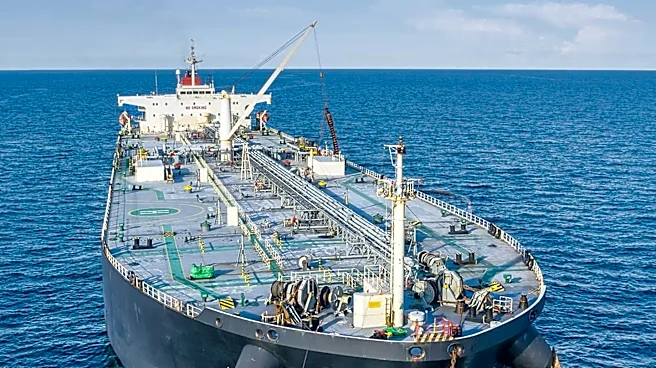
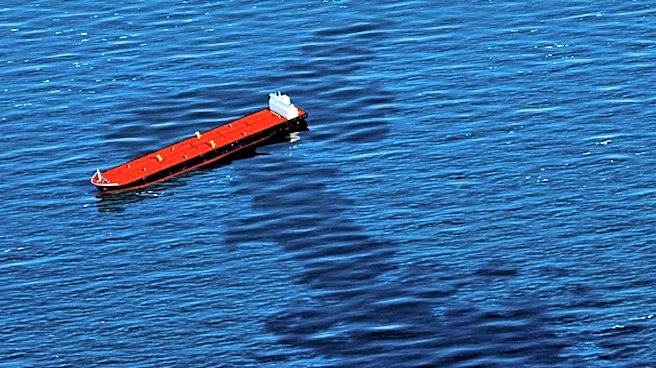
frigate Bergamini, focuses on safeguarding freedom of navigation and reinforcing regional stability. Aspides has warned of the severe environmental risks posed by Houthi strikes on oil tankers, which could lead to major ecological disasters in the Red Sea. The mission's operations are strictly defensive, aiming to protect civilian vessels and ensure the security of one of the world's most critical maritime corridors.
Why It's Important?
The EU's involvement in securing maritime routes in the Red Sea underscores the international community's concern over the security of global trade and the potential environmental impact of regional conflicts. The Red Sea is a vital corridor for international shipping, and any disruption could have significant economic and ecological consequences. The EU's efforts to protect these routes reflect the broader geopolitical dynamics in the region, where multiple stakeholders are involved in ensuring the stability of trade and energy supplies. The mission also highlights the importance of international cooperation in addressing security challenges and preventing environmental disasters.
What's Next?
The continued presence of the EU naval mission in the Red Sea is likely to play a crucial role in maintaining the security of maritime routes. As tensions persist, there may be increased collaboration between international forces to enhance maritime security and prevent further escalation. The situation also calls for diplomatic efforts to address the root causes of the conflict and find sustainable solutions to ensure the safety of global trade routes. The outcome of these efforts will be critical in shaping the future of regional stability and environmental protection.