



What's Happening?
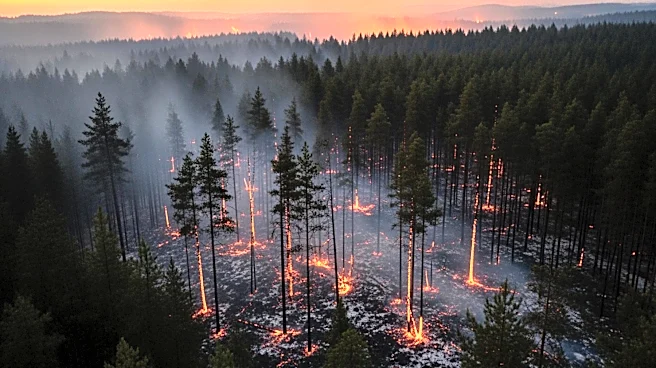
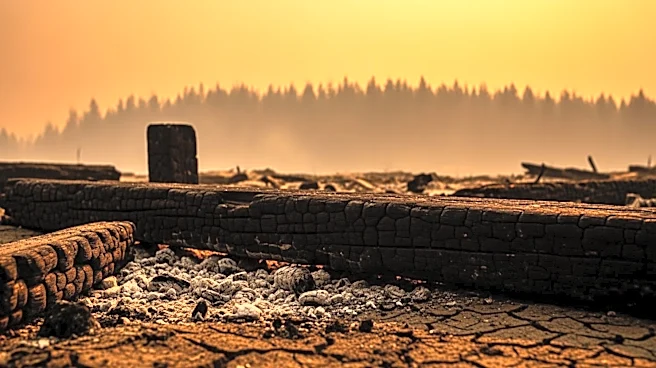
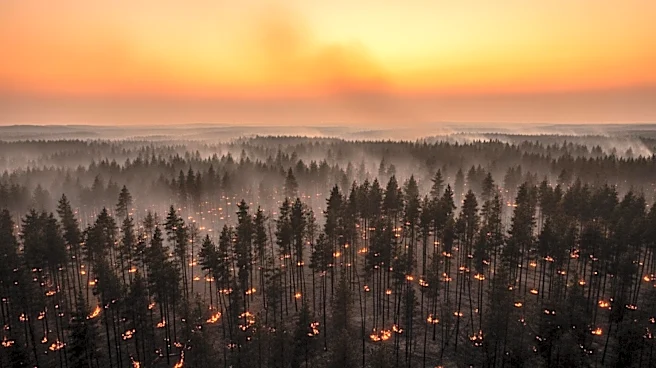
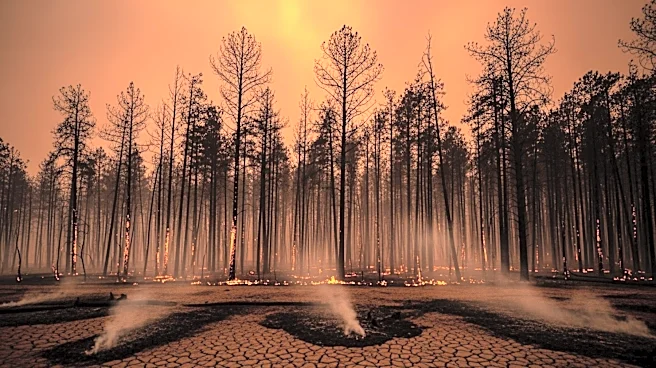
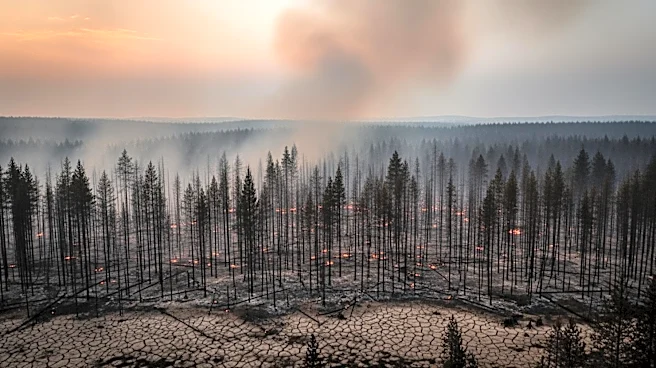
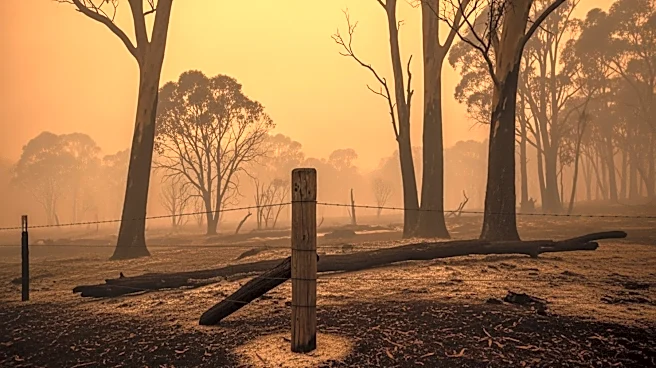
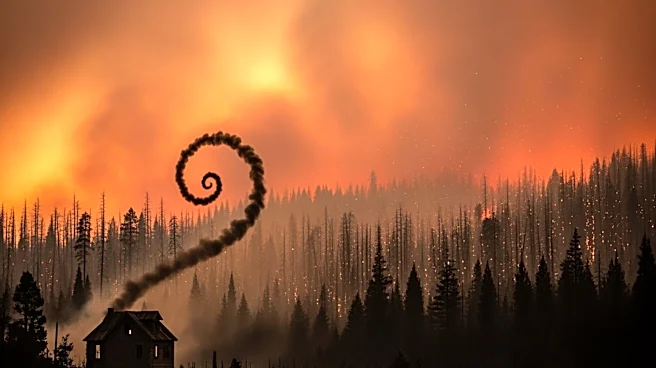
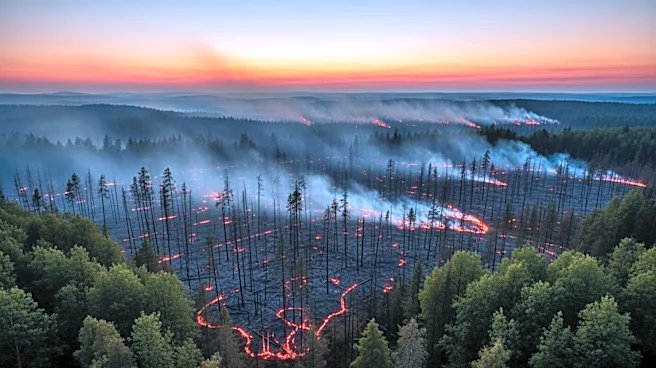
A wildfire in south Georgia has destroyed thousands of acres, including dozens of homes and businesses, primarily in Brantley County. Governor Brian Kemp has declared a state of emergency in 91 counties, implementing a ban on burning yard debris and agricultural
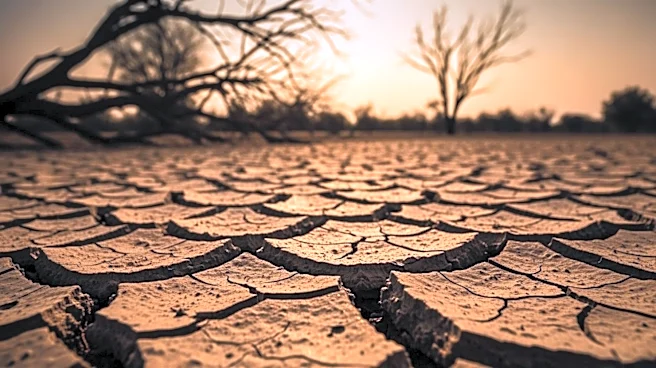
material. The fire's smoke has spread to the Augusta area, affecting air quality. The increase in wildfires is attributed to climate change, with higher temperatures and prolonged drought conditions creating more flammable environments. NASA research indicates that wildfires are burning longer and spreading faster due to these conditions.
Why It's Important?
The destruction caused by the Georgia wildfire highlights the growing threat of wildfires in the U.S., exacerbated by climate change. The state of emergency declaration underscores the severity of the situation and the need for immediate action to protect residents and property. The economic impact is significant, with potential losses in housing and local businesses. The situation also raises concerns about public health, as smoke and fine particles can affect air quality and respiratory health. The response to this crisis will be critical in mitigating damage and ensuring the safety of affected communities.
What's Next?
Authorities are likely to focus on containment efforts and providing support to displaced residents. The state may need to allocate additional resources to firefighting and recovery efforts. Long-term strategies to address climate change and reduce wildfire risks will be essential. This includes investing in fire-resistant infrastructure and enhancing community preparedness. As the situation evolves, ongoing monitoring and adaptation will be necessary to protect communities and minimize environmental damage.