







What's Happening?
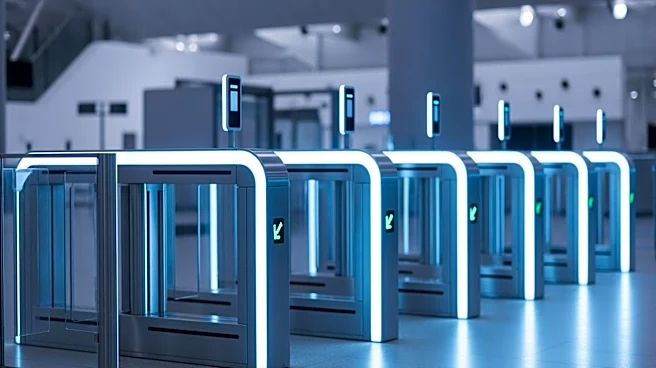
The European Union is set to implement a new Entry/Exit System (EES) starting April 10, which will affect travelers from outside the EU, including Australians. This system replaces traditional passport stamping with a digital process that requires visitors
to provide fingerprints, facial scans, and additional travel information upon arrival. The changes aim to enhance security and track overstays but have already led to increased processing times at airports. Reports indicate that processing times have increased by up to 70% during the rollout phase, with waits of up to two hours at busy times. Industry groups are expressing concerns about the potential for significant disruptions, especially during peak travel periods.
Why It's Important?
The introduction of the EES is significant as it represents a major shift in how border control is managed within the EU, potentially setting a precedent for other regions. For Australian travelers, this means planning for longer wait times at airports, which could affect travel plans and schedules. The system's implementation could also impact airlines and airport operations, as they may need to adjust staffing and resources to manage the increased processing times. This change highlights the growing trend of digitalization in border security, which could have broader implications for international travel and security protocols.
What's Next?
As the EES is fully implemented, travelers and industry stakeholders will need to adapt to the new requirements. Airlines and airports may need to increase staffing and resources to handle the longer processing times. There may also be calls for further flexibility in the system to alleviate pressure during peak travel periods. Monitoring the system's impact on travel efficiency and security will be crucial, and adjustments may be necessary to balance these priorities.