





What's Happening?
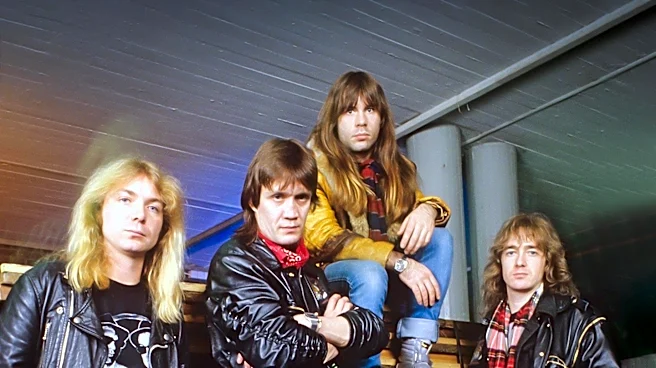
The 1980s witnessed a widespread cultural phenomenon known as the 'Satanic Panic,' characterized by mass hysteria over alleged satanic cults, ritual abuse, and the perceived influence of heavy metal music. This period saw accusations of secret networks
of devil worshipers engaging in child abuse and human sacrifices, often fueled by books like 'Michelle Remembers' and high-profile cases such as the McMartin Preschool. Television talk shows, evangelical preachers, and sensationalist news coverage, including Geraldo Rivera's special 'Devil Worship: Exposing Satan’s Underground,' amplified these claims. The Parents Music Resource Center (PMRC), led by wives of prominent Washington politicians, also contributed by advocating for warning labels on music deemed to promote sex, drugs, and satanism. This era led to innocent individuals being accused, persecuted, and imprisoned based on unsubstantiated allegations.
Why It's Important?
The Satanic Panic holds significant importance in U.S. history as a stark example of mass hysteria and its profound impact on individuals and society. It led to wrongful convictions, such as in the case of the West Memphis Three, where teenagers' interest in heavy metal was used as evidence of satanic involvement. The panic also influenced public policy, notably with the introduction of 'Parental Advisory' labels on music, a lasting legacy of the culture wars. This period highlights the dangers of unsubstantiated claims, the power of media sensationalism, and the vulnerability of legal systems to public fear. It serves as a cautionary tale about the importance of critical thinking and due process, demonstrating how moral panics can erode civil liberties and cause irreparable harm to innocent lives.
What's Next?
While the Satanic Panic largely faded by the early 1990s as its claims failed to withstand scrutiny and convictions were overturned, its legacy continues to influence contemporary discussions about moral panics, media responsibility, and the protection of civil liberties. The mechanisms that fueled the panic—fear of the unknown, sensationalized media, and the demonization of subcultures—remain relevant in today's information landscape. Understanding this historical event can inform how society responds to new moral panics, particularly those amplified by digital platforms. Ongoing efforts to educate the public about critical media literacy and the importance of evidence-based reasoning are crucial to prevent similar widespread societal harms in the future.
Beyond the Headlines
The Satanic Panic reveals deeper implications regarding the interplay between cultural anxieties, religious beliefs, and the justice system. It exposed how easily fear can be manipulated to target marginalized groups or subcultures, such as heavy metal fans, and how quickly such fears can translate into legal and social persecution. The panic also underscored the challenges in distinguishing between genuine threats and fabricated narratives, particularly when children are involved. Ethically, it raises questions about the responsibility of media outlets and public figures in disseminating information, and the long-term psychological and social damage inflicted upon those falsely accused. The enduring presence of 'Parental Advisory' labels on music serves as a tangible reminder of this era's impact on artistic expression and censorship debates, highlighting the ongoing tension between creative freedom and perceived societal protection.