


What's Happening?
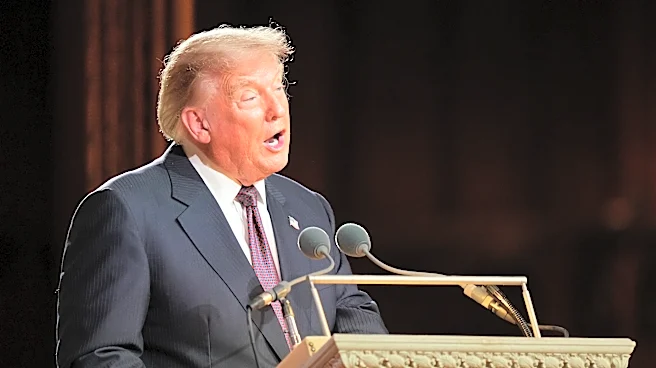
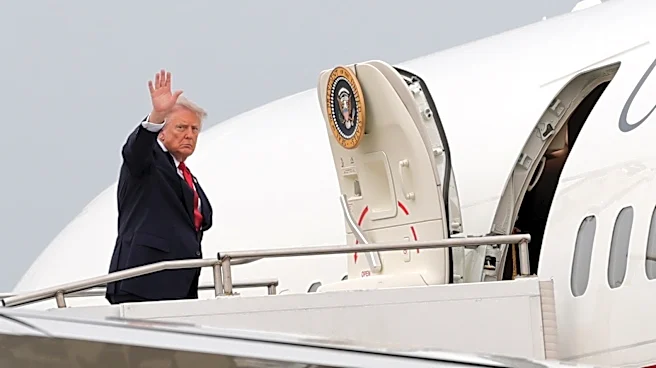
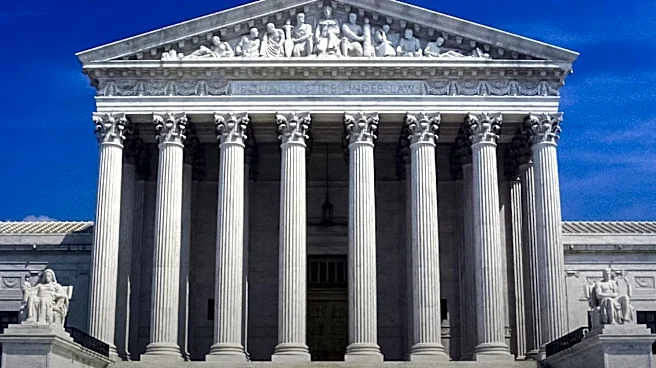
President Donald Trump has petitioned the U.S. Supreme Court to overturn an $83 million judgment awarded to writer E. Jean Carroll. The judgment was based on a jury's finding that Trump defamed Carroll when he denied her sexual assault allegations. Trump argues
that his statements were made in his official capacity as president, invoking a 2024 Supreme Court decision that grants presidential immunity for official acts. The Second Circuit Court previously rejected Trump's immunity claim, noting it was not raised in a timely manner. Trump's petition also requests that the U.S. government be substituted as the defendant in the case.
Why It's Important?
This legal battle highlights the ongoing debate over the scope of presidential immunity and its implications for accountability. If the Supreme Court sides with Trump, it could set a precedent that expands the legal protections for presidential actions, potentially affecting future cases involving presidential conduct. The case also underscores the tension between personal accountability and the privileges of public office, raising questions about the balance of power and the role of the judiciary in checking executive authority. The outcome could have significant ramifications for how defamation and other civil claims against sitting or former presidents are handled.
What's Next?
The Supreme Court's decision on whether to hear Trump's appeal will be closely watched, as it could influence the legal landscape regarding presidential immunity. If the Court agrees to hear the case, it will likely prompt further legal analysis and public debate on the limits of presidential power. Meanwhile, Carroll's legal team and other stakeholders will prepare for potential outcomes, including the possibility of further litigation. The case may also prompt legislative discussions on clarifying the boundaries of presidential immunity and ensuring accountability for public officials.