






What's Happening?
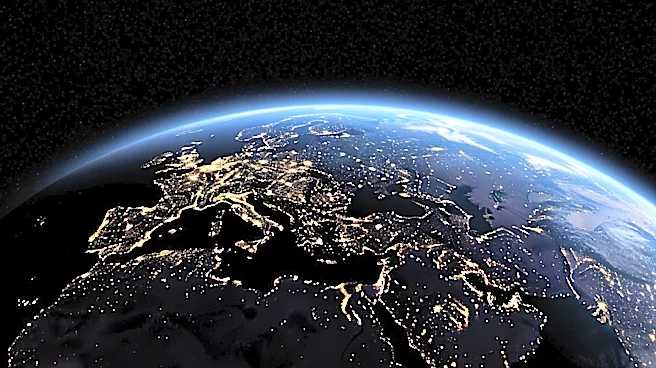
A study led by researchers from the University of Connecticut and NASA has revealed that global nighttime light is a volatile reflection of human development, resilience, and turmoil. Using satellite data from 2014 to 2022, the study captured the impacts
of events such as the war in Ukraine, the COVID-19 pandemic, and energy crises in Europe. The research found that global nighttime radiance surged by 34%, but dimming events erased 18% of that gain. The study highlights the dynamic nature of human activity and its impact on nighttime light patterns.
Why It's Important?
The findings provide a new perspective on how global crises and policy interventions affect human activity. The ability to track changes in nighttime light patterns offers insights into societal responses to major disruptions, such as conflicts and energy-saving measures. This data can inform policy decisions and aid in crisis management by providing real-time information on the impacts of global events. The study underscores the importance of satellite data in understanding and addressing global challenges.
What's Next?
The research team plans to continue analyzing nighttime light data to monitor ongoing global developments. The insights gained from this study could be used to improve crisis response strategies and inform policy decisions related to energy conservation and conflict management. The study's findings may also encourage further research into the relationship between human activity and environmental changes.