
What's Happening?
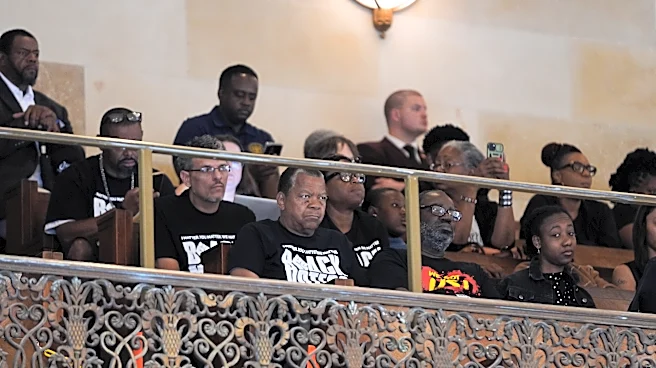
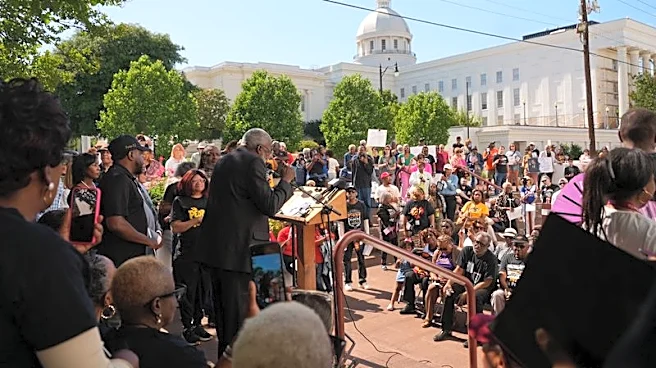
Justice Clarence Thomas has denied Alabama's request for an immediate stay on a lower court's block of the state's congressional map redrawing. This decision is part of a broader legal battle over redistricting
efforts in Alabama, which have been challenged for allegedly discriminating against Black voters. The case is significant as it affects the GOP's strategy to implement new maps ahead of the 2026 midterms, crucial for maintaining control of the House. The lower court had ruled that Alabama must use court-ordered districts from the 2024 election, citing intentional race-based discrimination in the proposed map.
Why It's Important?
This decision is a setback for the Republican Party's efforts to redraw congressional maps in their favor, which could influence the balance of power in the House of Representatives. The ruling underscores the ongoing legal and political battles over redistricting and the application of the Voting Rights Act. It highlights the tension between state efforts to control electoral maps and federal oversight to ensure fair representation. The outcome of this case could set a precedent for similar disputes in other states, impacting future elections and the political landscape.
What's Next?
Alabama is expected to continue its legal challenge, potentially bringing the case back to the Supreme Court. The decision may also prompt other states to reconsider their redistricting strategies in light of federal court rulings. As the 2026 midterms approach, both parties will likely intensify their efforts to secure favorable district maps, leading to further legal and political confrontations.