






What's Happening?
California, Arizona, and Nevada have reached an agreement on a new water-saving plan to address the critically low levels of the Colorado River's reservoirs. The plan, announced by representatives of the three states, aims to stabilize the river through
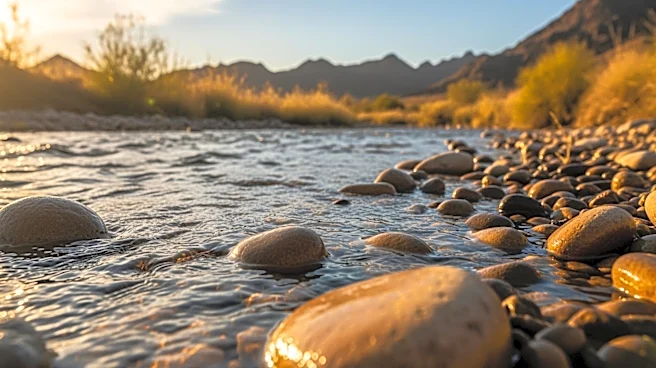
2028 by implementing larger cuts in water use than previously proposed. The agreement identifies more than 3.2 million acre-feet of water cutbacks, building on earlier proposals. This short-term deal was negotiated after talks with four other states on a long-term water-sharing plan reached a deadlock. The Colorado River, which provides water to about 35 million people and 5 million acres of farmland, has seen its flow dramatically decrease since 2000, exacerbated by global warming. The snowpack in the river's watershed is at a record low, contributing to the depletion of reservoirs like Lake Mead and Lake Powell.
Why It's Important?
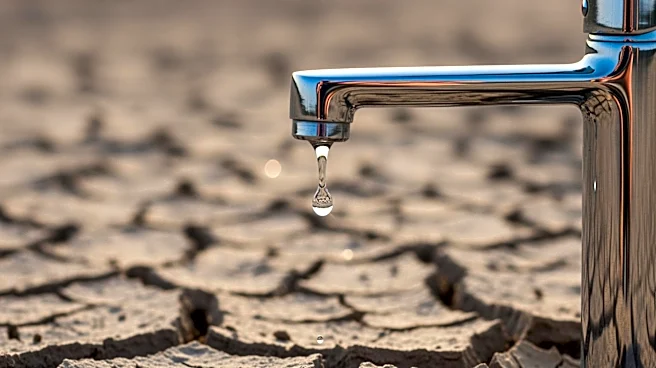
The new water-saving plan is crucial as it addresses the ongoing water crisis affecting millions of people and vast agricultural lands dependent on the Colorado River. The river's declining flow, intensified by climate change, poses significant risks to water availability and hydroelectric power generation. The agreement between California, Arizona, and Nevada is a critical step in managing the river's resources and ensuring water security for the region. The plan's success could serve as a model for other states and regions facing similar challenges, highlighting the importance of collaborative efforts in addressing environmental and resource management issues.
What's Next?
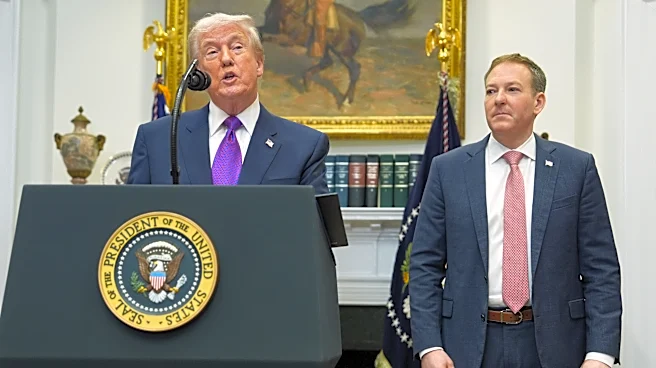
The next steps involve detailing how the water cuts will be distributed between urban and agricultural users in the three states. The plan has been submitted to the Trump administration for review. As the states implement the agreed-upon measures, they will need to monitor the river's conditions and adjust strategies as necessary. The ongoing negotiations with other states for a long-term water-sharing agreement will continue, with the hope of reaching a comprehensive solution to the Colorado River's challenges.