









What's Happening?
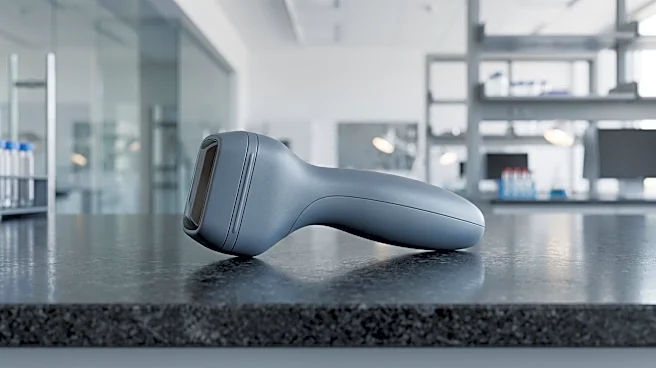
Dr. Stuart Hameroff, an anesthesiologist, is proposing a low-intensity transcranial ultrasound (TUS) technique to address cognitive decline associated with Alzheimer's disease. This method involves using an unfocused ultrasound device, similar in size
to a hairdryer and costing approximately $150, to stimulate the brain. His proposal is partly based on earlier research where low-intensity transcranial focused ultrasound (tFUS) applied to the hippocampus of Alzheimer's patients showed increased metabolic activity and cognitive improvements within 26 days, with no reported adverse effects. Dr. Hameroff's approach differs by using unfocused ultrasound to stimulate the entire brain, rather than a specific region, believing this could offer broader benefits given how memory functions are distributed across the cerebral cortex. He theorizes that low-intensity ultrasound could help stabilize or reassemble microtubules within neurons, which are microscopic structures whose disruption is linked to Alzheimer's disease.
Why It's Important?
This research is significant because it explores a potentially low-cost and non-invasive method for addressing cognitive decline in Alzheimer's patients. The current cost of the proposed device, around $150, could make this treatment far more accessible than existing hospital-based ultrasound procedures, which can cost upwards of $70,000. If proven effective, this could democratize access to a form of brain stimulation for a widespread and debilitating condition. The focus on stabilizing microtubules offers a novel therapeutic pathway, moving beyond current treatments that primarily manage symptoms. Success in this area could lead to a paradigm shift in Alzheimer's care, potentially improving the quality of life for millions of individuals and reducing the immense healthcare burden associated with the disease. However, the approach is still in its pilot-study phase, and its efficacy and safety need rigorous validation.
What's Next?
The proposed treatment is currently in a pilot-study phase, with participants self-administering ultrasound stimulation at home over several weeks and recording changes in cognition, mood, and quality of life. Enrollment in this study has faced practical obstacles, as participants are required to obtain their physicians' permission. Dr. Hameroff is actively seeking funding to advance this research and has expressed a desire to implement the technique in memory care facilities. He envisions a modified version of the ultrasound machine, which he calls 'The Tubulator 5000,' capable of operating at various microtubule resonance frequencies. The immediate next steps involve gathering more data from the ongoing pilot study and securing the necessary approvals and funding to conduct larger, more comprehensive clinical trials to establish the efficacy and safety of this low-intensity unfocused transcranial ultrasound method.
Beyond the Headlines
Beyond the immediate implications for Alzheimer's treatment, Dr. Hameroff's research touches upon a broader, more philosophical question: the connection between microtubules and human consciousness. While this theoretical link is not an established explanation for Alzheimer's, it forms part of his motivation. If low-intensity ultrasound can indeed influence microtubules and improve cognitive function, it could lend indirect support to theories that posit a deeper role for these microscopic structures in brain function, including consciousness. This line of inquiry could open new avenues for understanding the fundamental mechanisms of the brain and potentially lead to treatments for a wider range of neurological and psychiatric conditions. The ethical considerations of self-administered, low-cost brain stimulation devices also warrant careful attention, particularly regarding regulatory oversight and ensuring patient safety and informed consent.