





What's Happening?
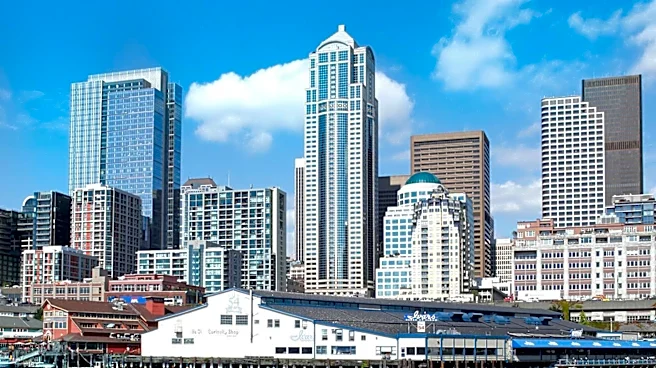
Seattle's Waterfront Park has concluded a 15-year, $1.2 billion transformation project, successfully reconnecting the city's downtown area with Elliott Bay. The ambitious undertaking involved the removal of the Alaskan Way Viaduct and extensive seawall
reconstruction, which was completed in 2019. The project has converted 1.5 miles of elevated highway into a vibrant public promenade, featuring bike lanes, event piers, gardens, and beaches. This initiative, guided by community engagement and partnerships with Coast Salish people, has established distinct character zones, nodes, and linkages that honor adjacent neighborhood identities while leveraging unique waterfront conditions. The park now extends 26 blocks, linking historic Pioneer Square to Belltown, and includes new pedestrian bridges like the Overlook Walk, which connects Pike Place Market to the Seattle Aquarium and historic piers. The transformation also involved significant infrastructure work, including the construction of the new State Route 99 tunnel and the installation of miles of new utilities.
Why It's Important?
The completion of Seattle's Waterfront Park marks a significant urban revitalization achievement, transforming a former industrial and transportation corridor into a central civic asset. This project is crucial for Seattle as it enhances public access to the waterfront, which had been largely cut off since 1949. The park's design, incorporating bio-diverse habitats and climate-resilient features, sets a precedent for sustainable urban development. Economically, the park is expected to boost tourism and local businesses by creating a new destination for residents and visitors alike, supporting civic programs, and fostering community events. Socially, it provides an inclusive gathering space that reflects Seattle's identity and honors indigenous heritage through cultural storytelling and public art. The project's emphasis on community engagement and partnerships, including with Coast Salish people, highlights a model for collaborative urban planning that respects cultural and environmental values.
What's Next?
With the capital campaign complete and the full park now open, Friends of Waterfront Park is entering a new institutional phase. The organization is focused on defining its long-term role, strengthening its internal and external leadership capacity, and building a sustainable financial model to ensure the park's continued vibrancy. This includes developing a diversified funding strategy that encompasses philanthropy, government support, corporate partnerships, grants, and earned revenue. The President and CEO will be instrumental in shaping strategy, advocating for the park, and stewarding the public-private partnership with the City of Seattle. Future efforts will concentrate on maintaining the park as a welcoming and inclusive civic gathering space, expanding its impact across Seattle and the broader region, and fostering an environment of trust and collaboration among stakeholders. The organization will also work to secure resources necessary to support the park and establish a successful framework for the next Management Agreement with the City.
Beyond the Headlines
The Seattle Waterfront Park project transcends typical urban development by integrating deep cultural and environmental considerations. The collaboration with Coast Salish people for design, plant selection, and cultural storytelling underscores a commitment to acknowledging and honoring indigenous heritage, moving beyond mere aesthetic improvements to create a space with profound historical and cultural resonance. Furthermore, the park's adherence to sustainability and resiliency practices, such as green infrastructure, stormwater management, and the removal of toxic materials, highlights a forward-thinking approach to climate change adaptation in urban environments. The salvaging of Ekki wood from the original seawall for handrails and the crafting of benches from reclaimed Western Red Cedar exemplify a dedication to circular economy principles. This project serves as a powerful example of how large-scale urban transformations can not only enhance public spaces but also contribute to ecological restoration and cultural reconciliation, setting a benchmark for future waterfront developments globally.