
What's Happening?
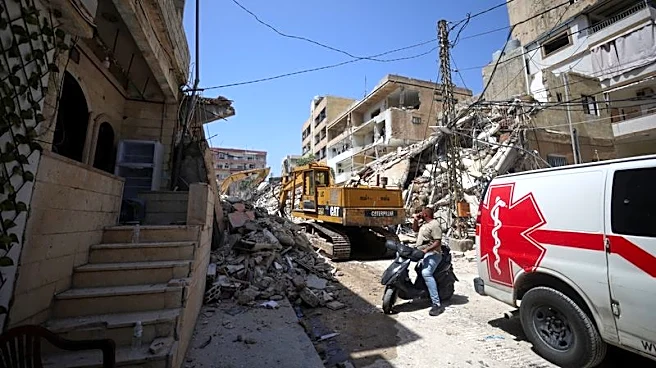
Israel is grappling with its long-standing conflict with Lebanon, where the strategy of containment is being questioned. A group of Knesset members has expressed concerns over the IDF's proposed security
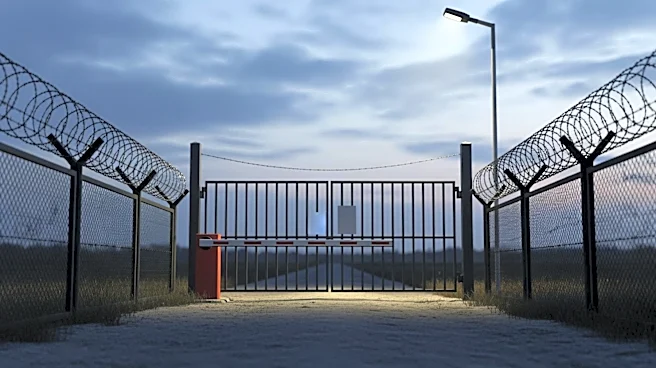
measures, which involve creating a buffer zone in southern Lebanon. This approach is seen as a temporary solution rather than a strategic victory. The ongoing conflict, characterized by intermittent military engagements and international legal pressures, has led to a strategy often described as 'mowing the lawn,' which weakens but does not defeat adversaries. The lack of a clear political end state and the reliance on military action without a defined victory are central issues in Israel's approach to Lebanon.
Why It's Important?
The situation in Lebanon is a microcosm of Israel's broader security challenges, where military prowess is not matched by political resolution. The absence of a clear strategy risks prolonging the conflict and undermines Israel's long-term security objectives. This has implications for Israel's military and political leadership, which must balance immediate security needs with the pursuit of a sustainable peace. The conflict also affects regional stability and Israel's international relations, as it navigates complex geopolitical dynamics involving Iran and Hezbollah.
What's Next?
Israel faces the challenge of defining a clear political objective in Lebanon that goes beyond temporary military solutions. This may involve re-evaluating its strategic priorities and engaging in diplomatic efforts to address the root causes of the conflict. The international community's role and potential diplomatic interventions could influence Israel's approach. Additionally, internal political dynamics and public opinion within Israel will play a crucial role in shaping future policies.
Beyond the Headlines
The ongoing conflict in Lebanon raises questions about the ethical and strategic dimensions of Israel's military actions. The balance between security and justice, and the impact of prolonged conflict on Israeli society, are significant considerations. The situation also highlights the challenges of leadership and decision-making in a complex geopolitical environment, where historical legacies and contemporary realities intersect.