




What's Happening?
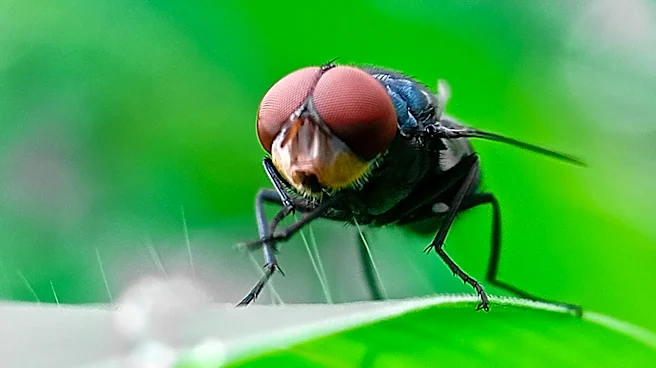
The United States plans to reopen certain southern border posts to Mexican livestock imports, following a year-long closure due to the New World Screwworm (NWS) outbreak. The U.S. Department of Agriculture (USDA) announced a phased reopening, starting
with the Douglas, Arizona, port on August 24, 2026. This decision follows a Joint Action Plan with Mexico to control the screwworm, a parasitic pest affecting livestock. The USDA will conduct full inspections of animals entering through reopened ports to ensure they are free of NWS. The reopening is contingent on Mexico's adherence to the control plan, with potential pauses if risks increase.
Why It's Important?
The reopening of the border is crucial for the U.S. livestock industry, which has been impacted by the trade halt. Resuming imports from Mexico, a significant livestock supplier, is expected to stabilize supply chains and support the agricultural economy. The decision reflects successful bilateral cooperation in managing agricultural pests, which is vital for maintaining food security and trade relations. However, the situation underscores the ongoing challenges posed by agricultural pests and the need for robust biosecurity measures. The USDA's cautious approach highlights the importance of balancing trade with health and safety concerns.
What's Next?
As the Douglas port reopens, the USDA will monitor the situation closely, conducting audits and risk assessments. If successful, additional ports in New Mexico may also reopen, further facilitating trade. The USDA and Mexican authorities will continue to collaborate on pest control efforts, potentially leading to more comprehensive agricultural agreements. The livestock industry will need to adapt to new inspection protocols, ensuring compliance with health standards. This development may also prompt discussions on enhancing cross-border biosecurity measures to prevent future outbreaks and protect the agricultural sector.