




What's Happening?
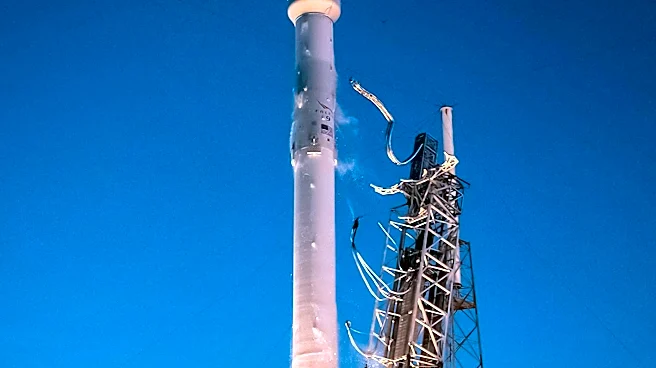
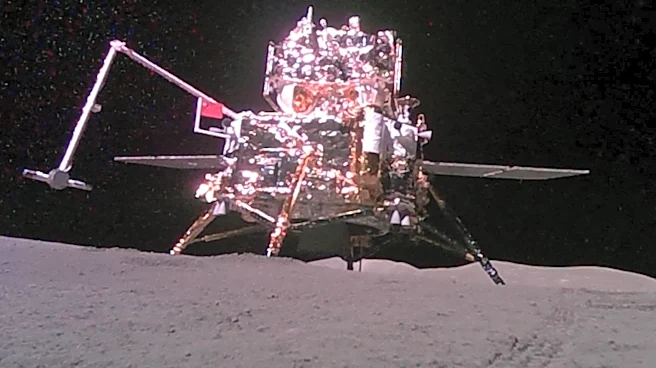
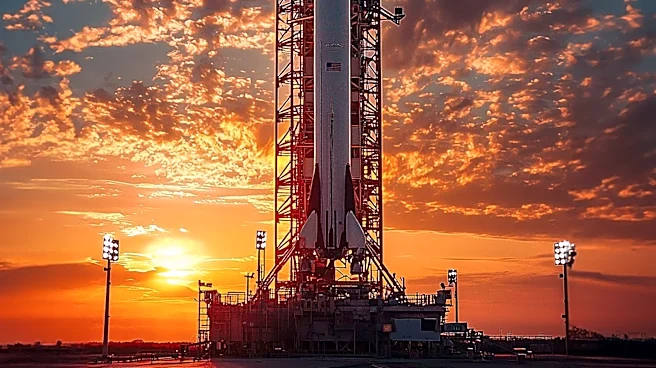
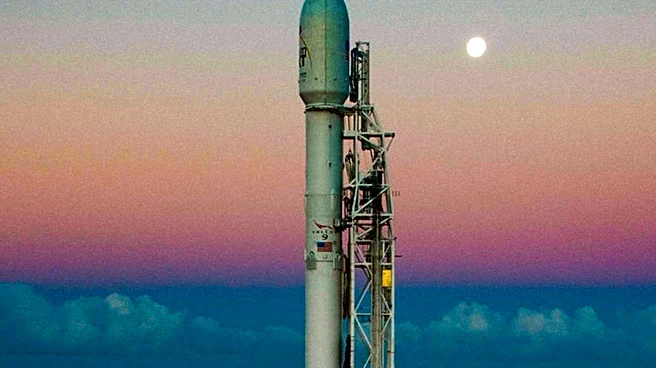
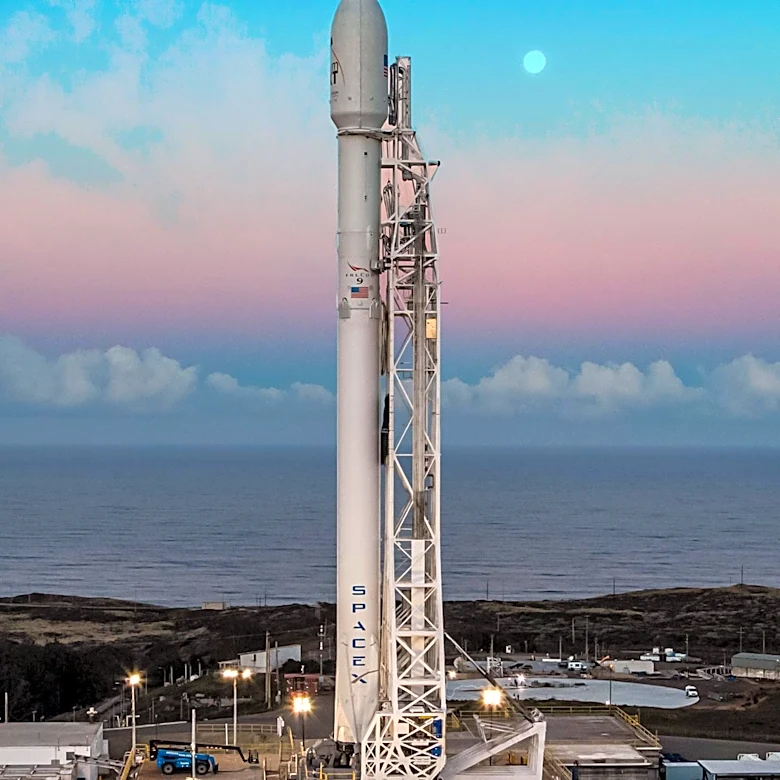
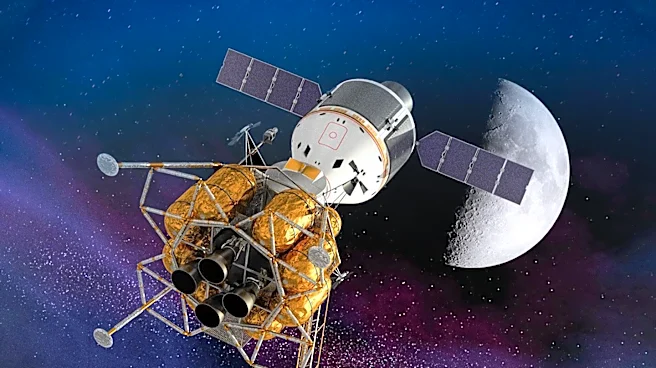
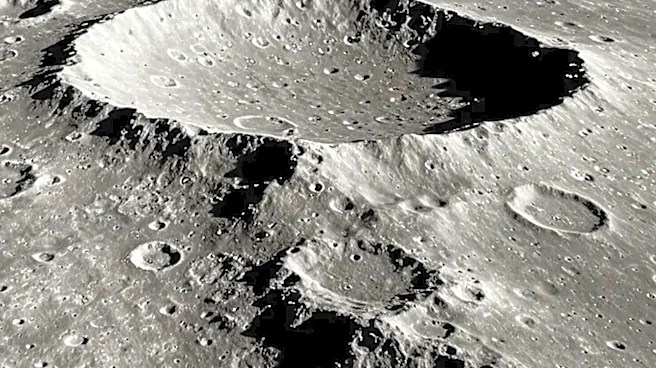
A discarded segment of a SpaceX rocket is on a high-speed collision course with the moon, expected to impact near Einstein Crater. The rocket, which launched two private lunar landers in January 2025, will unintentionally crash into the moon at a speed of 5,400
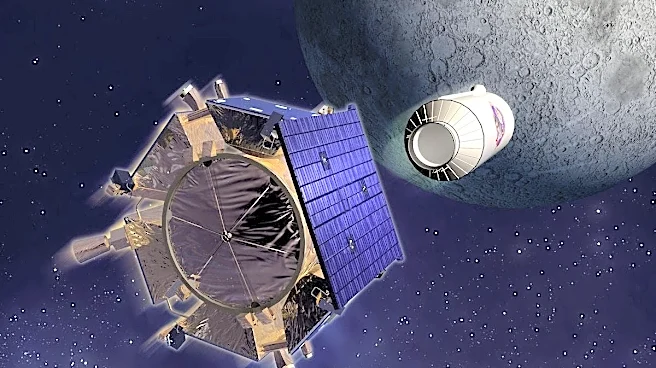
mph. The impact is anticipated to create a crater nearly 90 feet across and 16 feet deep. NASA's Lunar Reconnaissance Orbiter and South Korea's Danuri lunar orbiter will capture images of the crash site. The event highlights the growing issue of space debris and its potential hazards to future lunar missions.
Why It's Important?
The collision underscores the increasing problem of space debris and its implications for future space exploration. As more missions are launched, the risk of unintended impacts with celestial bodies grows, posing potential threats to both robotic and human missions. The incident serves as a reminder of the need for improved space traffic management and debris mitigation strategies. It also provides a unique opportunity for scientists to study the effects of such impacts on the lunar surface, contributing to our understanding of space debris dynamics and planetary defense.
What's Next?
Following the impact, scientists will analyze data collected by orbiters to assess the crater and debris distribution. This information will inform future strategies for managing space debris and protecting lunar missions. The event may prompt discussions among international space agencies about collaborative efforts to address space debris challenges. As lunar exploration intensifies, with plans for human missions by the U.S. and China, ensuring the safety and sustainability of space activities will become increasingly critical.