



What's Happening?
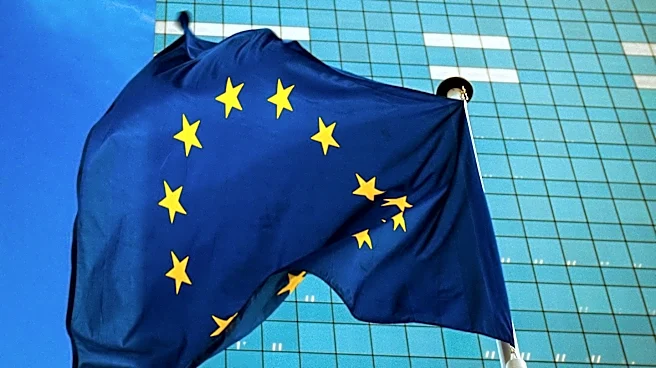
The Council of the European Union has expanded its sanctions against Russia, adding 12 individuals and 101 entities to its list. These new sanctions target entities involved in supplying the Russian military and financing the war against Ukraine. Notably,
the founder and CEO of Wildberries, Tatyana Kim, and Alexander Chachava, owner of O23 holding company which controls Ozon, Russia's two largest online marketplaces, have been sanctioned. The EU alleges these platforms serve as supply networks for the Russian Armed Forces, facilitating the sale of military and dual-use goods. Additionally, several Russian banks integrated into the military industry, including RFK-Bank and Timer Bank, along with dozens of other banks and fintech services, have been added. In the energy sector, major Russian oil refineries such as the Moscow and Omsk refineries, Kirishinefteorgsintez, and Gazprom Neftekhim Salavat are now subject to sanctions. The new regulations also target tanker operators and intermediary companies from various countries involved in circumventing restrictions on Russian oil transport. These measures entail freezing assets of sanctioned individuals and companies within the EU and banning the provision of financial or economic services to them.
Why It's Important?
This expansion of EU sanctions signifies a continued effort to cripple Russia's war economy and its ability to sustain military operations in Ukraine. By targeting major online marketplaces, the EU aims to disrupt supply chains that allegedly provide military and dual-use goods to the Russian Armed Forces, potentially impacting the logistical capabilities of the Russian military. The inclusion of more banks and fintech services is designed to further isolate Russia from the global financial system, making it harder for the country to process cross-border payments and fund its military. Sanctions on key oil refineries are crucial as they aim to reduce Russia's capacity to refine crude oil into valuable products, thereby impacting its energy revenue, a significant source of funding for the state budget. The targeting of tanker operators and intermediary companies highlights the EU's focus on closing loopholes used to circumvent existing oil sanctions, aiming to reduce Russia's oil export revenues. These actions collectively seek to increase economic pressure on Russia, making it more difficult to finance its military aggression and potentially influencing the duration and intensity of the conflict.
What's Next?
The immediate consequence of these expanded sanctions will be the freezing of assets and a ban on financial and economic services for the listed individuals and entities within the EU. This will likely lead to operational challenges for the sanctioned companies, particularly the online marketplaces and banks, as they navigate restricted access to international financial systems and supply chains. Russia may seek alternative financial mechanisms and trade routes to mitigate the impact, potentially increasing reliance on non-EU partners. The EU will likely monitor the effectiveness of these new sanctions and assess whether further measures are needed to prevent circumvention. There could be diplomatic repercussions as countries whose companies are implicated in circumventing oil sanctions may face increased scrutiny. The long-term impact will depend on Russia's ability to adapt to these new restrictions and the willingness of other nations to enforce or bypass these sanctions. The EU's continued pressure suggests a sustained strategy to weaken Russia's economic foundation and its military capabilities.
Beyond the Headlines
The sanctioning of major online marketplaces like Wildberries and Ozon introduces a new dimension to economic warfare, highlighting the dual-use nature of e-commerce platforms. This move suggests that governments are increasingly viewing digital platforms not just as commercial entities but as potential conduits for supporting military efforts, blurring the lines between civilian commerce and national security. This could set a precedent for future sanctions regimes, where the digital infrastructure of a nation becomes a target if it is perceived to be aiding military objectives. Furthermore, the focus on intermediary companies and tanker operators underscores the complexity of enforcing sanctions in a globalized economy, where intricate networks can be used to bypass restrictions. It also raises questions about the responsibility of international shipping and financial services in ensuring compliance with sanctions. The broader implication is a continued fragmentation of global economic systems, as nations increasingly use economic tools to exert geopolitical influence, leading to potential shifts in global trade routes and financial architectures.