


What's Happening?
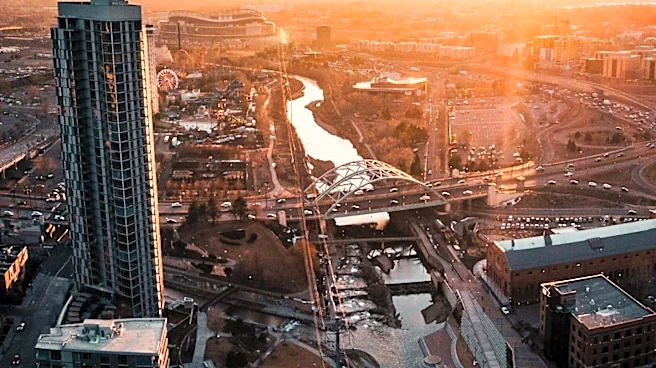
Denver is experiencing continued fall warmth, though temperatures are expected to be slightly cooler than recent record highs. According to the National Weather Service in Boulder, Wednesday will see sunny skies with temperatures reaching a high of 82
degrees Fahrenheit. This forecast is approximately 5 degrees cooler than the record high for October 7, which was set in 1934. Clouds are anticipated to move in during Wednesday evening, causing temperatures to drop to a low of 55 degrees Fahrenheit. West winds are expected to be between 5 and 7 miles per hour, with gusts potentially reaching up to 16 miles per hour in the evening. Temperatures are projected to climb again towards the end of the week, possibly reaching the mid to high 80s, before cooling off on Sunday.
Why It's Important?
The persistent warm fall weather in Denver has several implications. For residents, it means an extended period of pleasant outdoor conditions, which can influence daily activities, energy consumption patterns, and local businesses that rely on outdoor recreation or patio dining. The slight cooling trend, while still warm, offers a brief respite from the near-record heat, potentially impacting agricultural cycles and water management in the region. The fluctuation in temperatures, with a return to higher warmth later in the week, highlights the dynamic nature of fall weather patterns in Colorado. This variability can affect planning for events, outdoor work, and the timing of seasonal preparations for colder weather. The data from the National Weather Service provides crucial information for local planning and public awareness regarding weather-related considerations.
What's Next?
Residents of Denver can expect the current weather patterns to continue, with a mix of warm days and slightly cooler evenings. The National Weather Service anticipates temperatures to rise again towards the end of the week, reaching the mid to high 80s, before a cooling trend on Sunday. This forecast suggests that fall-like conditions, characterized by warmth, will persist for the foreseeable future, with minor fluctuations. Individuals and businesses should continue to monitor local weather updates for any changes that might impact their plans. The extended warm period may also influence the timing of seasonal changes, such as leaf color and the onset of colder temperatures, potentially extending the outdoor season for various activities.
Beyond the Headlines
The extended period of warm fall weather in Denver could have broader ecological and environmental implications. A prolonged warm season might affect local ecosystems, including plant growth cycles and wildlife behavior. From an economic perspective, businesses related to tourism and outdoor activities could benefit from the extended pleasant weather, while those preparing for winter might experience delays in demand for cold-weather goods and services. The comparison to historical temperature records, such as the 1934 record, provides a long-term perspective on climate trends, suggesting potential shifts in seasonal norms. This ongoing warmth could also contribute to discussions around climate patterns and their local manifestations, prompting considerations for long-term resource management and urban planning strategies in the region.