
What's Happening?
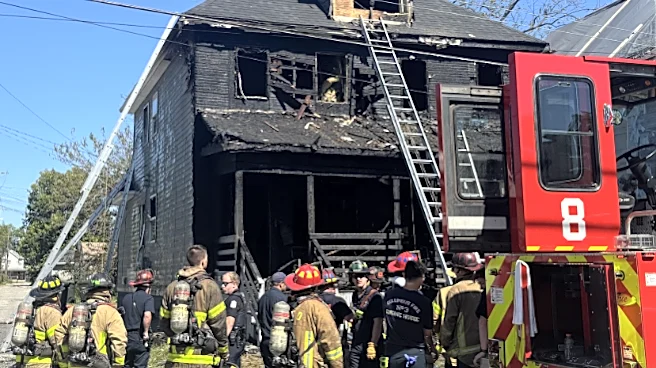
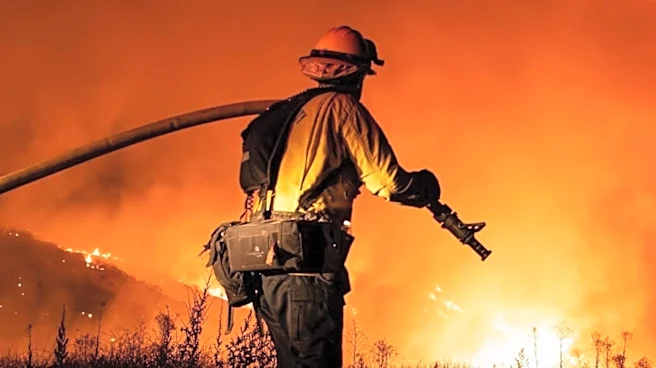
Firefighters in Southeast Portland extinguished a natural gas-fed fire that engulfed a townhouse and a nearby garage early Tuesday morning. The incident occurred near the intersection of SE 141st Avenue
and Division Street, with Portland Fire & Rescue crews arriving to find the structures and three vehicles ablaze. According to Portland Fire & Rescue spokesperson Rick Graves, a ruptured gas meter between the garage and the home was fueling the fire. While firefighters knocked down the flames on the house and vehicles, they allowed the gas-fed fire to burn until utility crews could shut off the gas line, a safety measure to prevent gas buildup and potential explosions. A downed powerline at the scene further complicated efforts, and the nearest fire hydrant had low flow, requiring crews to establish a water supply from multiple areas, utilizing a mile of hose. Neighboring townhouses were evacuated as a precaution, with residents describing sparks, smoke, and intense heat. NW Natural and Portland General Electric were called to address the gas line and power line issues, respectively. The home sustained heavy damage, displacing a mother and daughter with their dog. The cause of the fire remains under investigation.
Why It's Important?
This incident highlights the critical dangers associated with natural gas infrastructure and the complex challenges faced by emergency services in urban environments. The decision by firefighters to allow the gas-fed fire to burn, rather than extinguishing it immediately, underscores a crucial safety protocol designed to prevent more catastrophic outcomes like explosions. This approach, while seemingly counterintuitive, is a standard procedure when dealing with compromised gas lines, emphasizing the need for specialized utility intervention. The logistical difficulties, such as a downed powerline and low water pressure from a fire hydrant, reveal potential vulnerabilities in urban infrastructure that can impede emergency response. For residents, the immediate evacuation and displacement underscore the sudden and disruptive impact of such events, emphasizing the importance of emergency preparedness and community support systems. The involvement of multiple utility companies (NW Natural and Portland General Electric) also illustrates the interdependencies of essential services and the coordinated effort required to manage and mitigate such emergencies.
What's Next?
Utility crews from NW Natural will continue their work to fully secure the gas line, and Portland General Electric will focus on repairing the downed power line. The cause of the fire remains under investigation, and authorities will likely conduct a thorough inquiry to determine how the gas meter ruptured and whether any preventative measures could have been taken. The displaced mother and daughter will require temporary housing and support as repairs to their heavily damaged home are arranged. This incident may prompt local authorities and utility companies to review and potentially reinforce safety protocols and infrastructure maintenance in the area, particularly concerning natural gas lines and fire hydrant accessibility. Community discussions might also arise regarding emergency preparedness and response capabilities in densely populated residential areas.
Beyond the Headlines
The incident in SE Portland brings to light broader implications concerning urban infrastructure resilience and public safety. The challenges faced by firefighters, including a downed powerline and low water pressure, point to potential systemic issues in maintaining critical infrastructure in older or rapidly developing urban areas. Such events can trigger discussions about the adequacy of current infrastructure, the need for regular inspections, and investment in upgrades to ensure effective emergency response. Furthermore, the psychological impact on evacuated residents, who witnessed their neighborhood engulfed in flames and experienced the threat of explosions, can be significant. This event serves as a stark reminder of the inherent risks associated with essential utilities like natural gas and electricity, and the constant vigilance required to prevent and respond to emergencies. It also highlights the often-unseen coordination between various public and private entities—fire departments, gas companies, and electric companies—that is crucial for community safety.