




What's Happening?
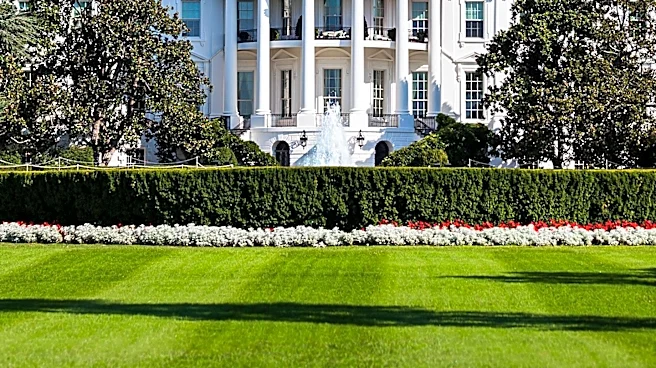
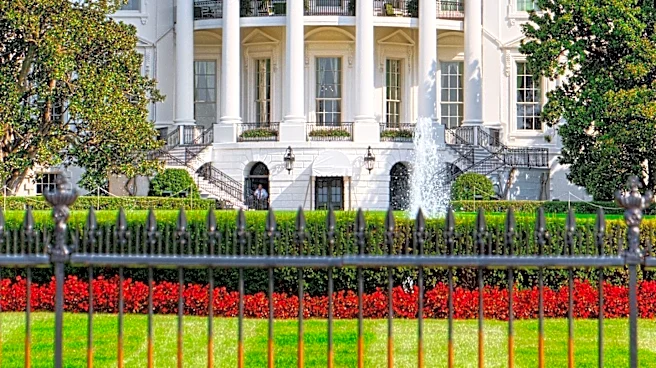
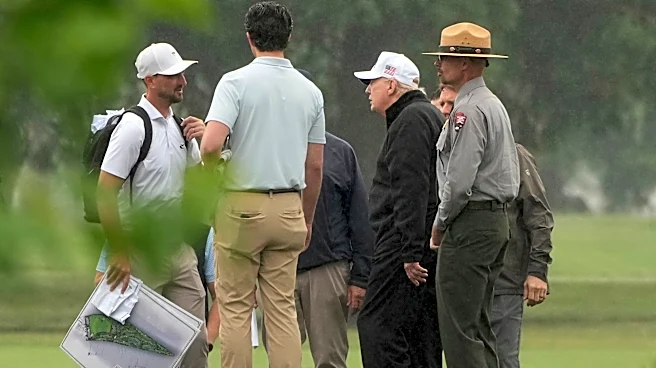
President Trump has embarked on an extensive makeover of Washington, D.C., driven by his dissatisfaction with the city's state during a 2023 court visit. This initiative includes constructing a new White House ballroom, a Triumphal Arch, and refurbishing
the Lincoln Memorial Reflecting Pool. The changes, which began after Trump took office in 2025, aim to transform the city into a monument to his presidency. The projects have involved removing homeless encampments, cleaning graffiti, and increasing federal policing. Despite the aesthetic upgrades, concerns have arisen over the financial implications, with estimates suggesting the total cost could exceed $1 billion, partly funded by taxpayers.
Why It's Important?
The makeover of Washington, D.C. under President Trump has significant implications for public spending and urban development. The use of public funds for these projects has sparked debate over fiscal responsibility and transparency, especially given the potential for no-bid contracts. The changes also reflect Trump's real estate background and his desire to leave a lasting legacy. However, the focus on aesthetic improvements raises questions about priorities, particularly in addressing underlying social issues like homelessness. The projects could influence future urban planning and federal spending policies, setting a precedent for how presidential legacies are physically manifested in the nation's capital.
What's Next?
As the makeover progresses, scrutiny from lawmakers and the public is likely to increase, particularly regarding the financial management of these projects. The House Oversight Committee, led by figures like Rep. Ro Khanna, may push for greater transparency and accountability in the allocation of funds. Additionally, the aesthetic and functional impact of these changes on Washington, D.C. will continue to be a topic of public and political discourse. The administration may face pressure to justify the prioritization of these projects over other pressing issues, potentially influencing future policy decisions and public opinion.