








What's Happening?
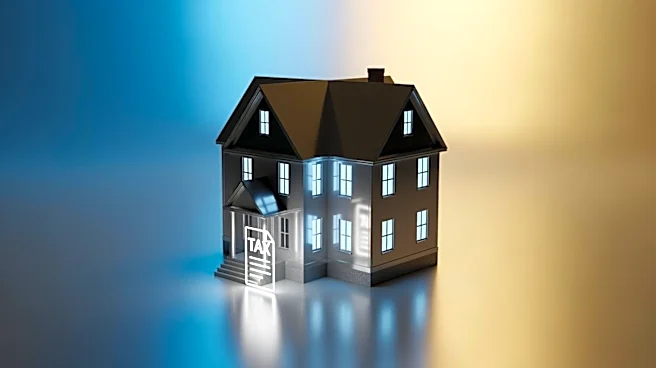
Governor Kathy Hochul of New York has proposed a tax on second homes valued at $5 million or more in New York City, aiming to generate up to $500 million in revenue. This proposal has inspired State Senator Pat Fahy to consider extending the tax to other
parts of New York State. Fahy's plan would allow local governments to opt into the tax, which would apply to homes not used as primary residences and valued at a five-year average of at least $5 million. The proposed tax rate would range from 0.5% to 4% of the property's average value. Half of the revenue would support the state's Aid and Incentives for Municipalities fund, while the other half would remain with local governments. The proposal has sparked debate, with some lawmakers and residents expressing concerns about its impact on affordability and community contributions.
Why It's Important?
The proposed tax on second homes is significant as it addresses the financial challenges faced by New York City and potentially other areas in the state. By targeting luxury properties, the tax aims to generate substantial revenue that could support local governments and public services. However, the proposal has raised concerns about its impact on property markets and community dynamics, particularly in resort areas where home values have surged. Critics argue that the tax could discourage investment and affect local economies, while supporters believe it could provide much-needed financial relief to municipalities. The debate highlights the broader issue of balancing revenue generation with economic growth and affordability in New York State.
What's Next?
As the proposal is still under discussion, its future depends on ongoing budget talks and negotiations among state lawmakers. Governor Hochul has expressed skepticism about including the tax in the current budget, citing the need to focus on New York City's specific crisis. However, legislative leaders, including Senate Majority Leader Andrea Stewart-Cousins and Assembly Speaker Carl Heastie, have shown openness to discussing the proposal further. The outcome will likely depend on the ability of lawmakers to reach a consensus on the tax's potential benefits and drawbacks, as well as its alignment with broader fiscal and policy priorities.