






What's Happening?
NASA's Artemis 2 mission has successfully concluded with the safe return of its astronauts to Earth. The mission, which marked the first crewed lunar mission since the Apollo program, involved a 10-day journey around the moon. The crew, consisting of NASA astronauts Reid
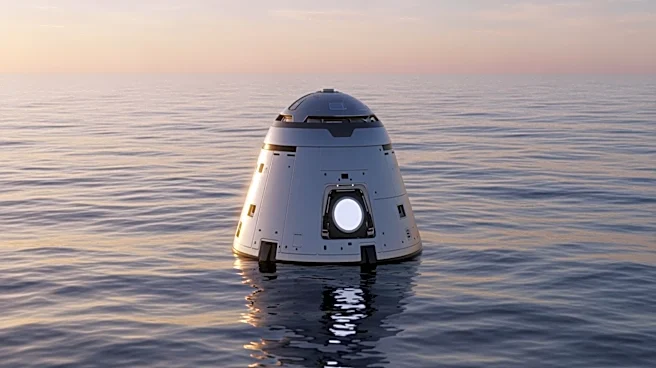
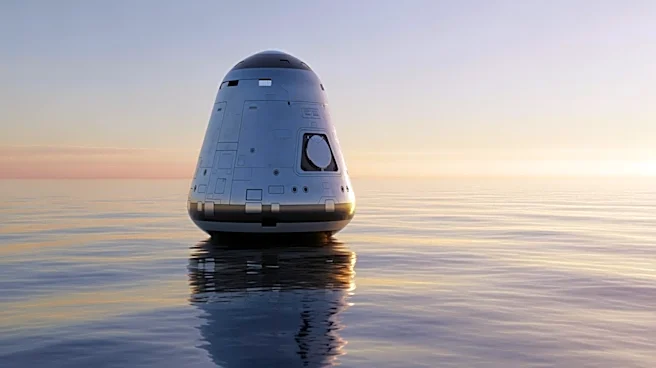
Wiseman, Victor Glover, Christina Koch, and Canadian Space Agency's Jeremy Hansen, returned to Earth in the Orion capsule, splashing down in the Pacific Ocean. The astronauts were then transported to a U.S. Navy recovery ship. The mission is celebrated for its scientific, technical, and historical achievements, as well as the strong camaraderie among the crew members.
Why It's Important?
The successful completion of the Artemis 2 mission represents a significant milestone in NASA's efforts to return humans to the moon. This mission paves the way for future lunar exploration, including the upcoming Artemis 3 mission, which aims to land astronauts on the moon. The achievements of Artemis 2 demonstrate advancements in space travel technology and international collaboration, as seen with the involvement of the Canadian Space Agency. The mission's success also boosts public interest and support for space exploration, highlighting the potential for scientific discoveries and technological innovations.
What's Next?
Following the success of Artemis 2, NASA is preparing for the Artemis 3 mission, which will involve another crewed lunar mission. This mission is a critical step toward the agency's long-term goal of establishing a sustainable human presence on the moon. The Artemis program aims to explore more of the lunar surface and develop the technologies needed for future missions to Mars. The continued success of these missions will depend on ongoing international partnerships and advancements in space technology.