





What's Happening?
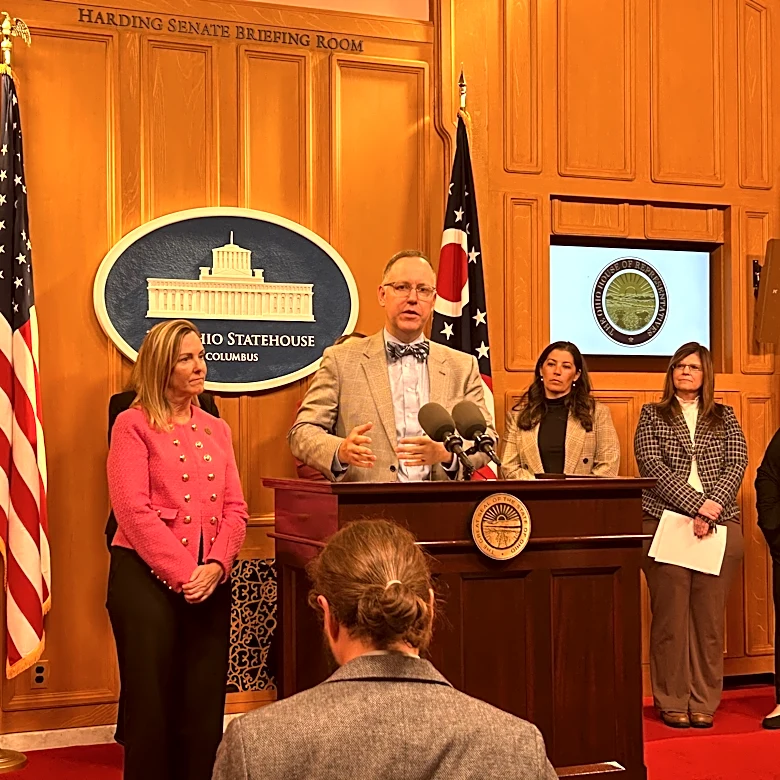
Congressman Wesley Bell, alongside Representative Jeff Hurd, has introduced the bipartisan 'Relief Without Delay Act.' This legislative measure, supported by 20 colleagues, aims to ensure that Federal Emergency Management Agency (FEMA) aid continues to flow
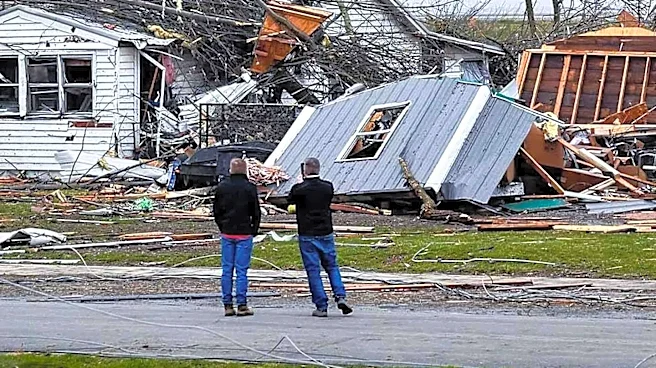
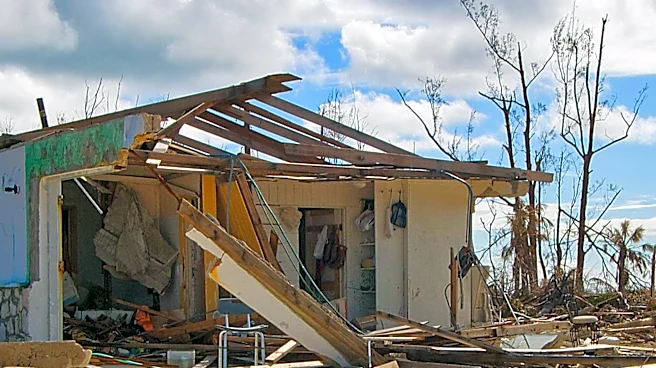
without interruption during government shutdowns. The proposed bill also seeks to enhance transparency regarding disaster spending and bolster support for tornado detection, warning systems, and community storm shelters. The primary objective of this legislation is to minimize delays in recovery aid, a critical concern for communities affected by natural disasters. Congressman Bell indicated that this bill builds upon previous efforts related to disaster response, including proposals focused on FEMA continuity, accountability, and post-disaster recovery needs. The introduction of this act follows recent tornado damage in Missouri, underscoring the urgency of reliable disaster relief.
Why It's Important?
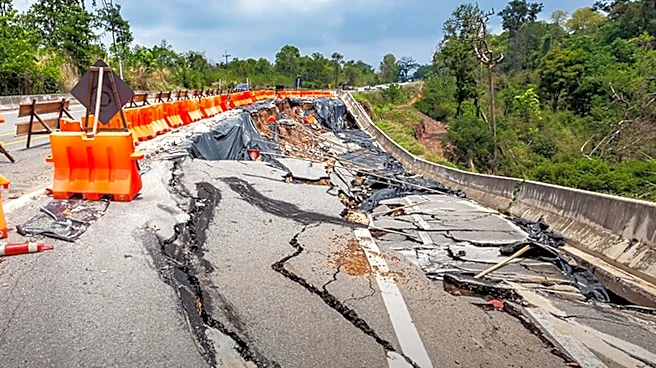
The 'Relief Without Delay Act' is crucial for ensuring the continuity of essential disaster relief services, which are often jeopardized during government shutdowns. Natural disasters, such as tornadoes, can strike at any time, and delays in FEMA aid can exacerbate suffering, hinder recovery efforts, and lead to significant economic losses for affected communities and individuals. By guaranteeing the flow of aid, the bill aims to provide stability and predictability in times of crisis, allowing for more effective and timely responses. Increased transparency in disaster spending could also lead to greater accountability and more efficient use of taxpayer funds. Furthermore, the focus on improving tornado detection, warning systems, and community shelters directly addresses critical infrastructure needs in regions prone to severe weather, potentially saving lives and reducing property damage. This legislation underscores the importance of safeguarding vital public services from political impasses, ensuring that the most vulnerable populations receive necessary support.
What's Next?
The 'Relief Without Delay Act' will proceed through the legislative process, requiring debate, potential amendments, and votes in both the House and Senate. Its bipartisan support suggests a possibility of passage, especially given the increasing frequency and intensity of natural disasters across the U.S. Advocacy groups, disaster relief organizations, and communities vulnerable to natural hazards will likely monitor its progress closely and lobby for its enactment. If passed, the act would establish a more resilient framework for disaster response, potentially setting a precedent for other essential government functions during shutdowns. The bill's provisions for enhanced transparency and improved warning systems would also necessitate implementation plans and funding allocations, which could lead to further legislative or administrative actions. The ongoing discussion around disaster preparedness and response will likely continue to evolve, with this bill serving as a significant step towards a more reliable system.
Beyond the Headlines
This legislation touches upon the broader challenge of maintaining essential government functions amidst political polarization and budgetary disputes. The need for a specific bill to ensure disaster aid during shutdowns highlights a systemic vulnerability in how the U.S. government operates during periods of fiscal uncertainty. It implicitly acknowledges that political disagreements should not compromise the safety and well-being of citizens facing emergencies. The act could also influence future policy discussions on how to 'essentialize' other critical government services, insulating them from the impacts of shutdowns. Moreover, by focusing on tornado preparedness, the bill subtly acknowledges the growing impact of extreme weather events, potentially linked to climate change, on American communities. This could spur further investment in climate resilience and adaptation strategies, moving beyond immediate disaster response to proactive measures that protect lives and infrastructure in the long term. The bipartisan effort also signals a potential area for cooperation in an otherwise divided political landscape.