






What's Happening?
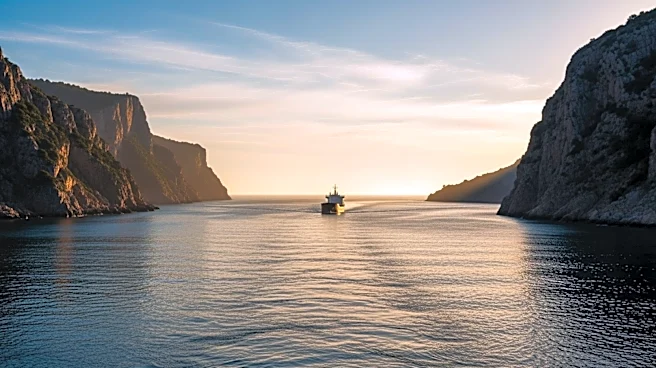
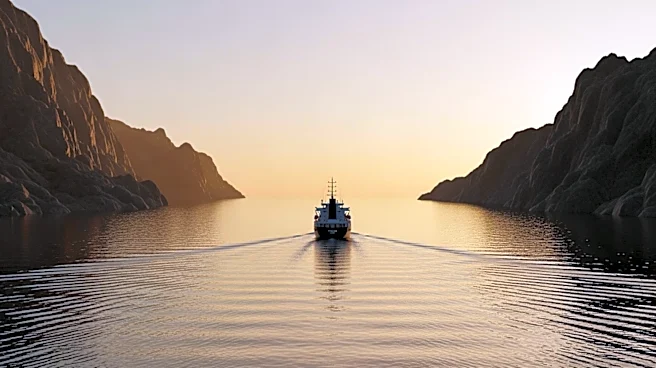
President Donald Trump criticized NATO for its perceived inaction during the Strait of Hormuz crisis, stating that the alliance was 'useless' when needed. Meanwhile, Germany has offered to contribute to clearing naval mines in the strait as part of a Europe-led
mission. German Chancellor Friedrich Merz indicated that any deployment would require parliamentary approval and ideally a U.N. mandate. Germany's expertise in mine clearance, developed through operations in the Baltic Sea, positions it as a key player in ensuring safe passage through the Strait of Hormuz.
Why It's Important?
The Strait of Hormuz is a vital global energy chokepoint, and its security is crucial for maintaining stable oil and gas supplies. Germany's offer to assist in mine clearance highlights its strategic capabilities and commitment to international security. This development may strengthen European-led security initiatives and reduce reliance on U.S. military involvement. The situation underscores the importance of international cooperation in addressing global security challenges and maintaining open trade routes.
What's Next?
Discussions are expected to continue regarding a post-ceasefire security framework for the Strait of Hormuz, including potential mine-clearing operations under a U.N. mandate or a multinational coalition. Germany's participation would require parliamentary approval, and the outcome of these discussions could influence future European security strategies. Shipping companies and energy markets are closely monitoring developments, as confirmed mine clearance would facilitate the resumption of global trade and energy flows.