



What's Happening?
The National Weather Service (NWS) is set to expand its use of the 'particularly dangerous situation' (PDS) tag for certain winter warnings starting in the 2026-2027 winter season. This PDS tag will be applied to rare, potentially historic winter events
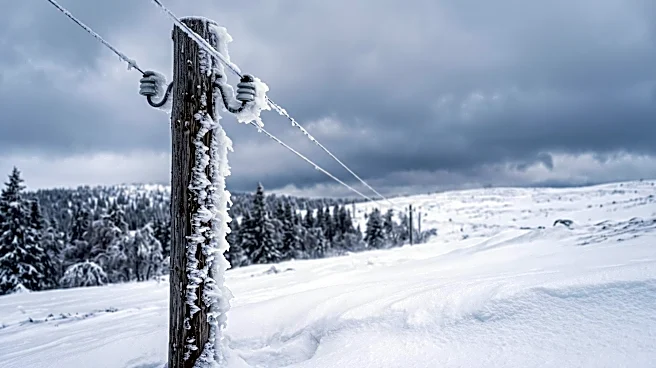
that pose an exceptional threat to life and critical infrastructure. Specifically, some blizzard and ice storm warnings will now include this heightened designation. The NWS utilizes various alerts to communicate the severity of winter conditions, including winter weather advisories, winter storm watches, and winter storm warnings. An advisory indicates conditions that may cause inconvenience, a watch signals that snow or ice is possible, and a warning means dangerous conditions are expected. The PDS tag signifies an even more severe threat, emphasizing the life-threatening nature of the impending weather. This expansion aims to provide clearer communication to the public regarding the most extreme winter weather events.
Why It's Important?
The expansion of the 'particularly dangerous situation' tag by the National Weather Service is important for enhancing public safety and preparedness across the U.S. By clearly distinguishing between severe and exceptionally dangerous winter events, the NWS aims to improve public response to critical weather threats. This clearer communication can lead to more timely and effective actions by individuals, emergency services, and infrastructure managers, potentially reducing casualties and property damage. For regions like Wisconsin, where winter conditions can rapidly become hazardous, understanding these alert distinctions is crucial for making informed decisions about travel and safety. The PDS tag underscores the need for immediate and decisive action, helping to prevent complacency during severe weather events and ensuring that the public recognizes the highest level of threat.
What's Next?
Starting with the 2026-2027 winter season, residents in areas prone to severe winter weather, such as Northeast Wisconsin, should anticipate seeing the PDS tag appended to some blizzard and ice storm warnings. This change will require the public to become familiar with the enhanced meaning of these warnings and to adjust their preparedness and response strategies accordingly. Emergency management agencies and local authorities will likely integrate this new designation into their public communication campaigns to educate residents on the implications of a PDS warning. The NWS will continue to issue its standard range of winter alerts, but the PDS tag will serve as an additional, critical indicator for the most extreme and life-threatening winter weather scenarios, prompting a higher level of vigilance and protective action.
Beyond the Headlines
The introduction of the PDS tag for winter warnings reflects a broader trend in meteorological communication towards more precise and impactful language to convey risk. This initiative aims to overcome 'warning fatigue,' where frequent alerts can sometimes desensitize the public to genuine threats. By reserving the PDS tag for truly exceptional events, the NWS seeks to ensure that when this designation is used, it commands immediate attention and prompts appropriate action. This strategic use of language has significant implications for public psychology and behavior during crises, highlighting the critical role of effective communication in disaster preparedness and mitigation. It also underscores the ongoing effort by weather services to refine their messaging to save lives and protect infrastructure in the face of increasingly complex and severe weather patterns.