





What's Happening?
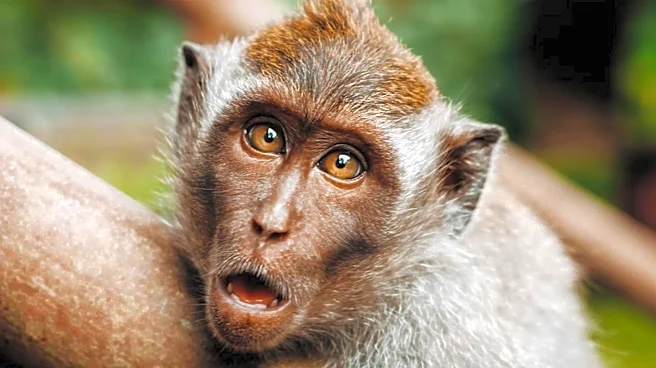
Indonesia has recommenced the export of long-tailed macaques for animal testing, ending a four-year hiatus. This decision has led to the establishment of a new breeding center on Sumatra. The resumption of exports has drawn criticism from animal welfare
organizations, which express concerns that the profitable trade could incentivize the capture of wild macaques, an endangered species. Conservationists are also worried that wild-caught animals might be integrated into the legal trade. Authorities have not yet provided clear answers regarding the monitoring of these exports, particularly to destination countries such as China and the United States. The previous pause in exports was intended to address concerns about the sustainability and ethical implications of the trade.
Why It's Important?
The resumption of macaque exports from Indonesia has significant implications for the United States, as it is one of the stated destination countries for these animals. This development directly impacts U.S. research institutions and pharmaceutical companies that utilize macaques for animal testing. The ethical concerns raised by animal welfare groups regarding the potential for increased capture of endangered wild macaques and the lack of clear monitoring protocols could lead to scrutiny and potential protests from animal rights advocates within the U.S. Furthermore, if wild-caught animals are indeed entering the supply chain, it could compromise the integrity of research data and raise questions about the ethical sourcing practices of U.S. entities involved in such testing. The situation highlights the ongoing tension between scientific research needs and animal welfare concerns on an international scale, with direct relevance to U.S. scientific and ethical standards.
What's Next?
The immediate next steps will likely involve increased pressure from animal welfare organizations on both Indonesian authorities and importing countries, including the United States, to establish transparent and robust monitoring systems for macaque exports. U.S. research institutions and companies that import these animals may face calls to disclose their sourcing practices and demonstrate adherence to ethical guidelines. There could be legislative or regulatory efforts in the U.S. to restrict the import of animals from sources with questionable ethical or conservation practices. Additionally, international bodies and conservation groups may intensify their efforts to protect long-tailed macaques, potentially leading to further restrictions or bans on their trade. The debate between the necessity of animal testing for medical advancements and the ethical treatment and conservation of endangered species is expected to continue.
Beyond the Headlines
This situation delves into the complex ethical and scientific considerations surrounding animal testing. Beyond the immediate concerns of species endangerment and animal welfare, it touches upon the global supply chain of research animals and the varying regulatory and ethical standards across different nations. For the U.S., it raises questions about the responsibility of importing countries to ensure the ethical and sustainable sourcing of research subjects, even when those sources are international. The lack of transparency from Indonesian authorities regarding monitoring could lead to a broader re-evaluation of international agreements and oversight mechanisms for the trade in live animals for scientific purposes. This issue also highlights the broader challenge of balancing scientific progress with conservation efforts and animal rights, potentially influencing public perception and policy debates on animal testing within the U.S. and globally.