




What's Happening?
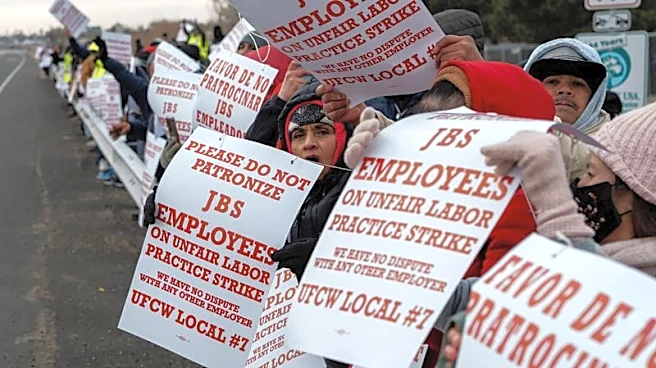
Tens of thousands of New York City residential building workers, including doorpersons, porters, supers, and handypersons, have voted to authorize a strike. This decision comes as part of ongoing labor disputes concerning their working conditions and compensation.
The vote reflects the workers' readiness to take collective action if their demands are not met. The potential strike could significantly impact the daily operations of numerous apartment buildings across the city, affecting both residents and property management companies. The workers are seeking better wages and improved working conditions, which they argue have not kept pace with the rising cost of living in New York City.
Why It's Important?
The authorization of a strike by such a large group of essential workers highlights the growing tensions in labor relations within urban centers. If the strike proceeds, it could disrupt services in thousands of apartment buildings, affecting millions of residents who rely on these workers for essential services. This situation underscores the broader national conversation about workers' rights and fair compensation, particularly in high-cost living areas like New York City. The outcome of this labor dispute could set a precedent for similar negotiations in other cities, influencing labor policies and practices across the country.
What's Next?
Should negotiations fail to meet the workers' demands, a strike could be imminent, leading to significant disruptions in building operations. Property management companies and city officials may need to prepare contingency plans to mitigate the impact on residents. Additionally, the strike could prompt further discussions and potential legislative action regarding labor rights and wage standards in the city. Stakeholders, including labor unions and city officials, will likely continue negotiations to reach a resolution that avoids a strike.