





What's Happening?
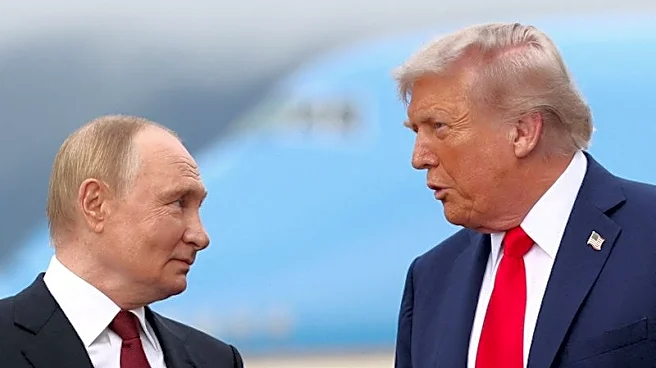
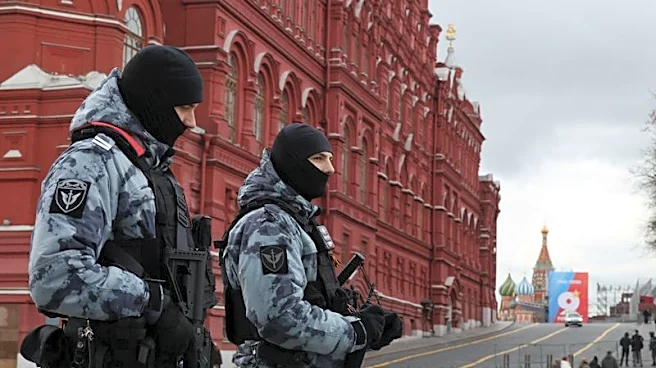
Ukrainian President Volodymyr Zelenskyy is seeking further details on a short-term ceasefire proposed by Russian President Vladimir Putin to U.S. President Donald Trump. The ceasefire is suggested to coincide with Russia's Victory Day on May 9. Zelenskyy has
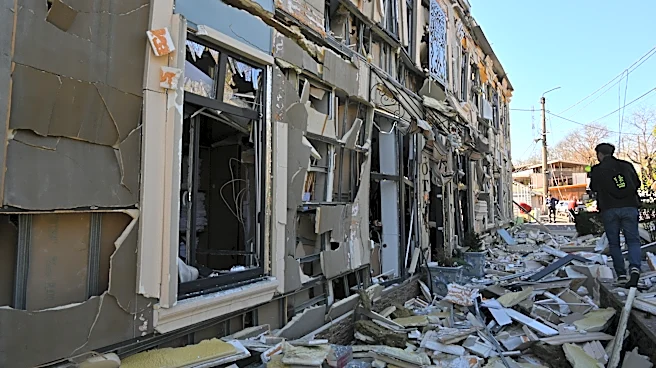
instructed his representatives to contact President Trump's team to clarify the specifics of the proposal, which could range from a temporary security measure for a parade in Moscow to a more substantial ceasefire. Meanwhile, Russian attacks continue in Ukraine, with drone strikes in Dnipro and Odesa causing casualties and damage. Ukrainian air defenses have been active, but some attacks have resulted in significant destruction.
Why It's Important?
The proposed ceasefire, if implemented, could provide a temporary halt to hostilities, offering a brief respite in the ongoing conflict between Russia and Ukraine. This development is significant as it involves high-level diplomatic engagement between Russia, Ukraine, and the United States. The outcome of these discussions could influence the broader geopolitical landscape, potentially affecting international relations and security dynamics in the region. The continuation of Russian attacks underscores the ongoing volatility and humanitarian impact of the conflict, highlighting the urgent need for diplomatic solutions.
What's Next?
The next steps involve diplomatic communications between Ukraine and the United States to understand the full scope of Russia's ceasefire proposal. Depending on the details, Ukraine may push for a longer-term ceasefire. The international community will likely monitor these developments closely, as any agreement could set a precedent for future negotiations. Reactions from other global powers and international organizations could also shape the trajectory of the conflict and influence future peace efforts.