




What's Happening?
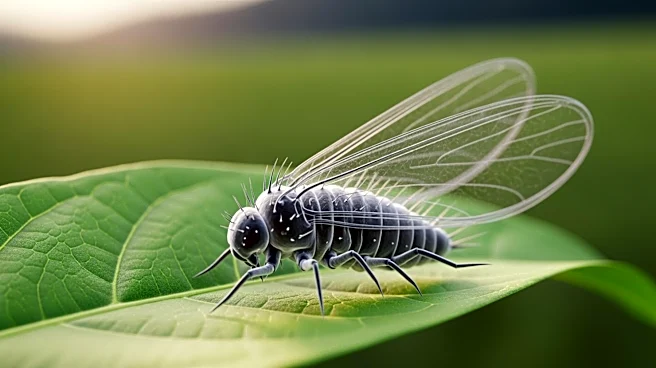
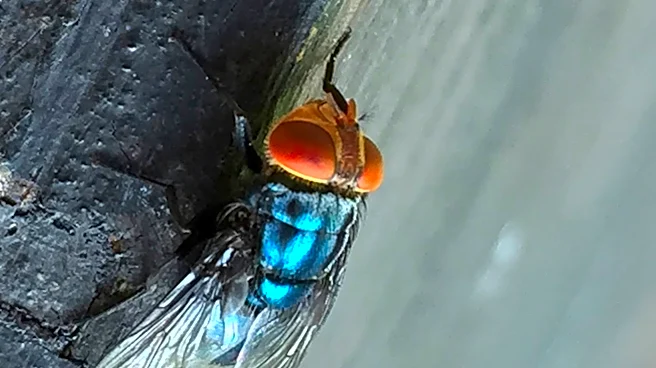
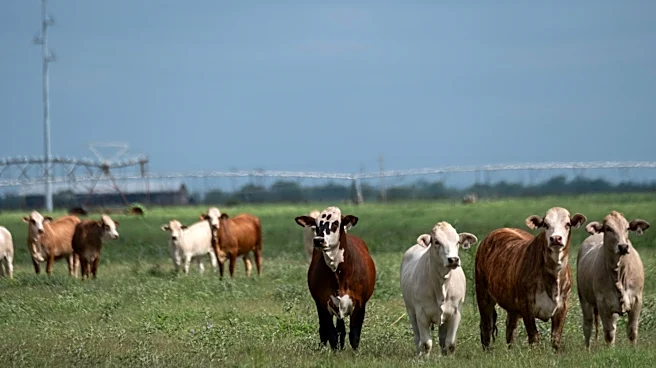
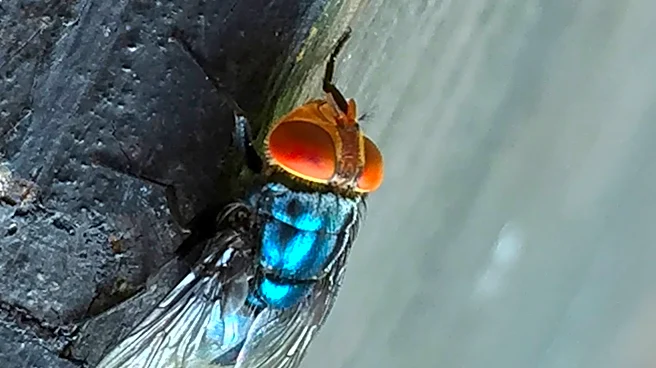
The New World screwworm, a parasitic fly that poses a significant threat to livestock, has re-emerged in the United States, particularly affecting cattle in Texas and New Mexico. The Department of Agriculture (USDA) has identified larvae in several animals,
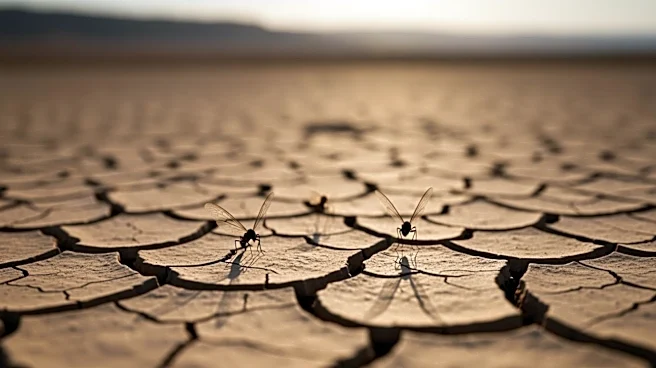
including calves and a goat, marking the first significant outbreak in 60 years. The screwworm larvae burrow into the flesh of warm-blooded animals, causing severe damage. The USDA is combating the spread by releasing sterile flies to reduce the screwworm population. This method, which has been effective in the past, involves sterilizing flies with radiation and releasing them to mate with wild populations, thereby reducing their numbers over time. The resurgence of the screwworm comes at a time when the U.S. cattle herd is already at its smallest since 1951, exacerbated by drought conditions.
Why It's Important?
The reappearance of the screwworm threatens to further destabilize the U.S. cattle industry, which is already facing challenges due to reduced herd sizes and rising beef prices. The cost of cattle has increased, impacting meat-packers and consumers as prices are passed down the supply chain. The USDA's efforts to control the screwworm population are crucial to preventing further economic strain on ranchers and the broader beef market. The situation highlights the vulnerability of the livestock industry to biological threats and the importance of maintaining effective pest control measures. Additionally, the outbreak has sparked political tensions, with various stakeholders, including state officials and the USDA, critiquing each other's responses.
What's Next?
The USDA plans to increase the production and release of sterile flies to combat the screwworm outbreak. However, the only facility capable of producing these flies in North America is in Panama, which may limit the speed and scale of the response. The agency is also exploring the construction of a new facility in Texas to boost production. Meanwhile, political and industry leaders are likely to continue debating the best strategies to protect the cattle industry and manage the economic impacts. The situation may prompt further discussions on agricultural policies and funding for pest control programs.
Beyond the Headlines
The screwworm outbreak underscores the interconnectedness of global agricultural practices and the potential consequences of illegal cattle trafficking, which may have facilitated the pest's northward spread. It also raises questions about the adequacy of current monitoring and response systems for agricultural pests. The outbreak could lead to increased scrutiny of trade policies and their impact on domestic agriculture, as well as renewed focus on biosecurity measures to protect the livestock industry from similar threats in the future.