






What's Happening?
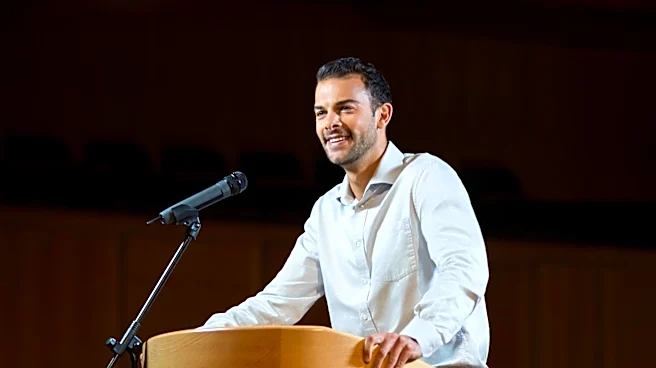
Fernanda Bonacho, the chairholder of the UNESCO Chair of Communication, Media and Information Literacy and Citizenship (ESCS-UPL/LIACOM), delivered a keynote address at the 'Future-Ready Teachers for Future-Ready Learners' conference in Brussels on October
22. Bonacho highlighted the critical importance of media literacy, asserting that it is no longer an optional addition to education but a fundamental requirement for the preservation of democracy. The conference served as the culmination of the European project Teachers 4.0 Digital, an initiative that brought together 16 European organizations. This project focused on enhancing educators' capabilities in digital literacy and equipping them to combat disinformation effectively. The event also included presentations on project outcomes, practical workshops covering learning analytics, teacher skills, digital well-being, and disinformation, as well as a panel discussion on educating digital natives beyond basic digital skills.
Why It's Important?
The emphasis on media literacy as a cornerstone for democratic survival underscores a growing concern about the impact of disinformation and the digital information landscape on societal stability. In the U.S., where debates around misinformation, media bias, and digital citizenship are prevalent, this perspective from a UNESCO chairholder highlights a global recognition of the issue. The Teachers 4.0 Digital project's aim to influence policy reform on digital literacy education at national and European levels suggests a potential model or inspiration for similar initiatives in the U.S. Enhancing digital literacy among educators and learners can foster a more informed citizenry, capable of critically evaluating information, which is vital for robust democratic processes and public discourse. The collaboration between European organizations also points to the transnational nature of these challenges and the potential for international cooperation in developing solutions.
What's Next?
The outcomes and recommendations from the Teachers 4.0 Digital project and the discussions at the conference are intended to contribute to policy reform in digital literacy education across Europe. This could lead to the development of new curricula, teacher training programs, and national strategies aimed at integrating media literacy more deeply into educational systems. For the U.S., these European developments might serve as case studies or benchmarks for its own efforts in digital literacy education. Stakeholders, including educational institutions, policymakers, and civil society groups, may draw insights from these initiatives to advocate for or implement similar programs. Continued international dialogue and collaboration on best practices in media literacy education are likely, as the challenges of disinformation are global.
Beyond the Headlines
The assertion that media literacy is essential for the survival of democracy points to a deeper societal shift where information consumption directly impacts civic health. Beyond the practical skills of discerning credible sources, this perspective touches upon the ethical responsibility of individuals in a digital age to engage with information thoughtfully. The long-term implications include a potential redefinition of civic education, moving beyond traditional civics to include robust digital and media literacy components. This could foster a more resilient democratic culture, less susceptible to manipulation and polarization. Furthermore, the project's focus on empowering teachers highlights the critical role educators play not just in imparting knowledge, but in shaping informed, engaged citizens capable of navigating complex information environments, thereby influencing future generations' participation in democratic processes.