




What's Happening?
The Supreme Court is set to hear a case involving the use of geofence warrants, a controversial law enforcement tool that collects location data from cellphones near a crime scene. The case centers on Okello Chatrie, who was identified as a suspect in a bank
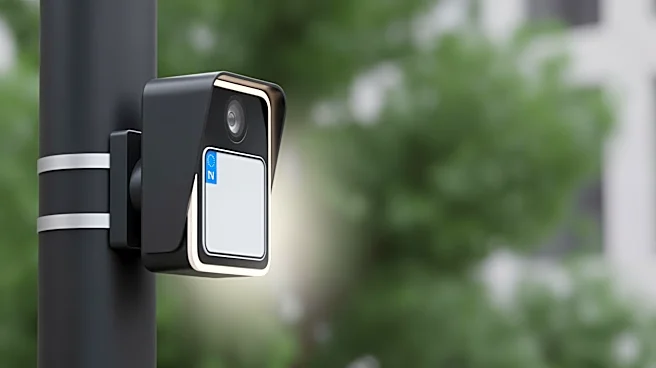
robbery in Richmond, Virginia, through a geofence warrant served on Google. This warrant allowed police to access location data from cellphones in the vicinity of the crime, leading to Chatrie's arrest and conviction. The case raises questions about the Fourth Amendment's protection against unreasonable searches, as geofence warrants do not target specific suspects but rather collect data from all devices in a specified area.
Why It's Important?
The outcome of this case could have significant implications for privacy rights and law enforcement practices in the digital age. A ruling in favor of geofence warrants could expand the use of such technology, potentially leading to broader surveillance capabilities for law enforcement. Conversely, a decision against their use could reinforce privacy protections and limit the scope of digital surveillance. The case highlights the tension between technological advancements and constitutional rights, as the court must balance effective law enforcement with individual privacy.
What's Next?
The Supreme Court's decision will likely set a precedent for how digital data can be used in criminal investigations. If the court upholds the use of geofence warrants, law enforcement agencies may increasingly rely on this tool for solving crimes. However, if the court rules against it, there may be a push for legislative action to define the boundaries of digital surveillance. The decision could also influence ongoing debates about privacy and technology, prompting further legal challenges and policy discussions.