






What's Happening?
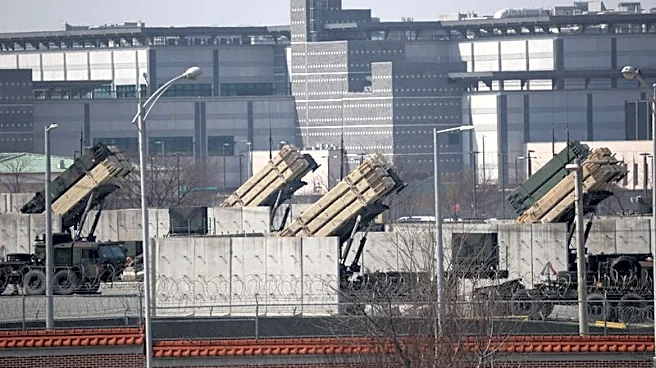
Pope Leo XIV delivered a speech at Rome's La Sapienza University, highlighting the dangers of artificial intelligence in military applications. He criticized the increasing military spending, particularly in Europe, which he argued comes at the expense
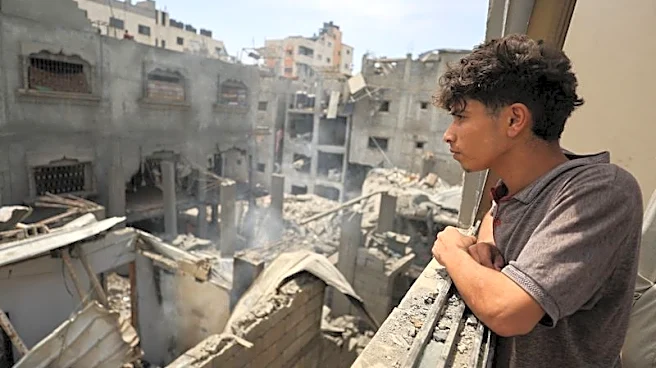
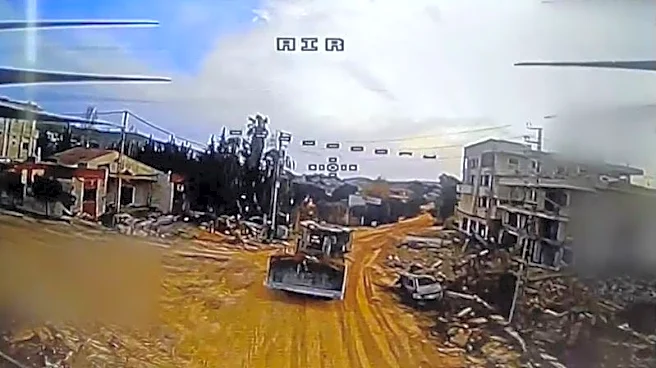
of education and healthcare. The Pope emphasized the need for better monitoring of AI to ensure it does not absolve humans of responsibility or exacerbate conflicts. He pointed to ongoing conflicts in Ukraine, Gaza, Lebanon, and Iran as examples of how technology is transforming warfare into a 'spiral of annihilation.' This visit marked the first papal visit to the university since 2008, and the Pope was warmly received, including by Palestinian students who recently arrived in Italy through a humanitarian corridor.
Why It's Important?
The Pope's remarks underscore the ethical and strategic challenges posed by the integration of AI in warfare. His call for peace and responsible AI use highlights the potential for technology to both aid and harm global stability. The speech is significant as it draws attention to the moral responsibilities of nations investing in AI and military technologies. It also reflects broader concerns about the militarization of AI and its implications for international security and human rights. The Pope's advocacy for education and healthcare over military spending resonates with global calls for sustainable development and peace.
What's Next?
Pope Leo XIV is expected to further explore these themes in his upcoming encyclical. The international community may respond with increased dialogue on the regulation of AI in military contexts. Stakeholders, including governments and tech companies, might face pressure to adopt ethical guidelines for AI development. The Pope's speech could influence future policy discussions at international forums, potentially leading to new agreements or treaties aimed at curbing the militarization of AI.