





What's Happening?
Australia has announced a significant increase in its military spending in response to the complex global strategic landscape exacerbated by the ongoing conflict involving Iran. Defense Minister Richard Marles revealed that an additional 53 billion Australian
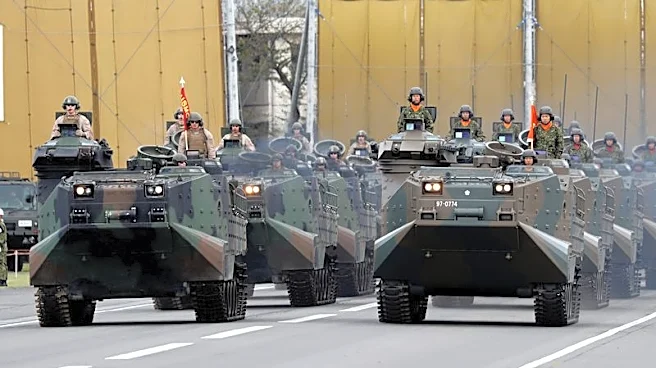
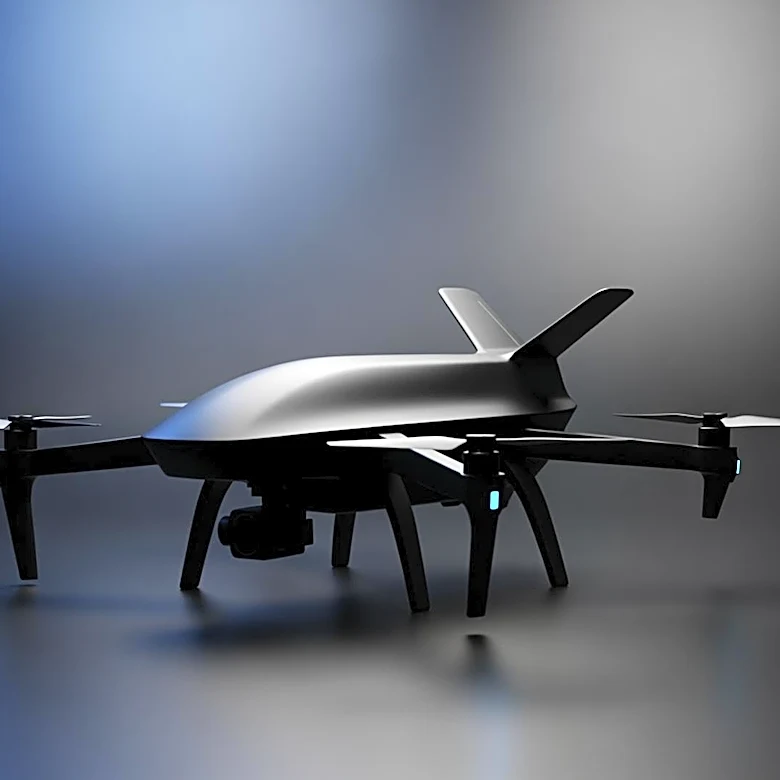
dollars ($38 billion) will be allocated to defense over the next decade. This increase will see Australia's defense budget rise from 2.8% of GDP to 3% by 2033. The decision comes as Australia faces what Marles described as its most complex and threatening strategic circumstances since World War II. The updated defense strategy includes the expansion of autonomous and uncrewed systems, such as the Ghost Bat jet and Ghost Shark underwater drone, and enhancements in long-range strike capabilities and integrated air and missile defense systems. Marles emphasized that the increase in spending is not a response to pressure from the U.S. administration but a decision made independently by the Australian government.
Why It's Important?
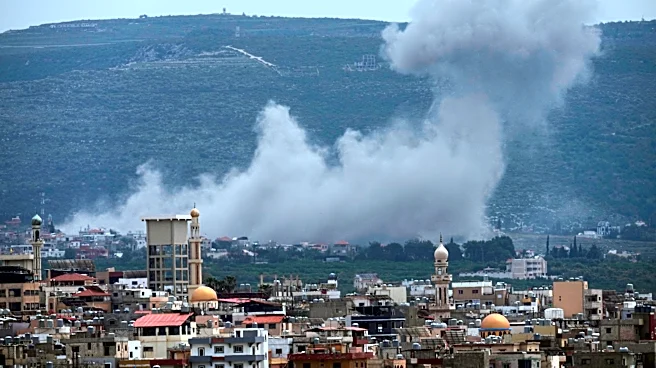
The increase in military spending by Australia highlights the growing concerns over global security and the strategic challenges posed by the conflict in Iran. This move underscores the importance of self-reliance in national defense while maintaining strong alliances, particularly with the United States. The decision to boost defense capabilities reflects a broader trend among U.S. allies to enhance their military readiness in response to evolving threats. The investment in advanced military technologies and systems is likely to have significant implications for the defense industry, potentially leading to increased collaboration and innovation. Additionally, the focus on autonomous systems and long-range capabilities indicates a shift towards modernizing military forces to address future security challenges.
What's Next?
Australia's decision to increase defense spending is expected to lead to further developments in its military capabilities, particularly through the AUKUS partnership with the United States and Britain. The planned acquisition of a fleet of nuclear-powered submarines is a key component of this strategy, with costs estimated between AU$268 billion and AU$368 billion over three decades. As Australia continues to enhance its defense posture, it may also seek to strengthen its alliances and partnerships in the Indo-Pacific region. The ongoing conflict in Iran and its impact on global security dynamics will likely remain a focal point for Australian defense policy, influencing future strategic decisions and resource allocations.