
What's Happening?
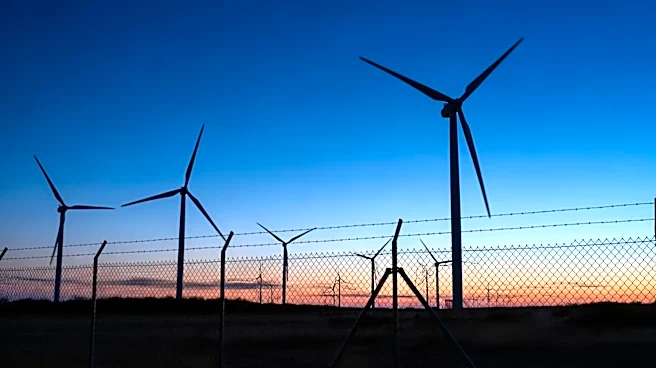
The U.S. Department of Defense has paused the issuance of federal permits for 54 wind projects in Texas, citing national security concerns. This decision is part of a broader halt affecting 165 onshore
wind projects nationwide. The Department of Defense is required by federal law to review structures over 200 feet tall, such as wind turbines, to ensure they do not interfere with military operations. However, the review process has stalled, with no approvals since August 2025. This delay has disrupted project financing, local permits, and construction timelines, causing significant setbacks for developers. The Department of Defense states that the evaluation process is complex, involving the balance of energy development and military readiness.
Why It's Important?
The delay in approving wind projects has significant implications for the renewable energy sector, particularly in Texas, which leads the nation in wind energy production. The stalled projects could hinder the state's ability to meet renewable energy goals and affect local economies reliant on these developments. The situation reflects broader tensions between energy policy and national security, as the federal government navigates the challenges of supporting renewable energy while ensuring military operations are not compromised. The delays could also increase costs for developers and slow the transition to cleaner energy sources, impacting efforts to reduce carbon emissions.
What's Next?
The Department of Defense is expected to continue evaluating the projects to ensure they do not pose risks to national security. However, the lack of clarity on timelines and the reasons for extended delays may prompt further scrutiny from stakeholders, including energy developers and policymakers. The situation may lead to increased lobbying efforts to expedite the review process or legislative actions to address the bottleneck. Additionally, the outcome of these evaluations could set precedents for future renewable energy projects, influencing how national security concerns are balanced with energy development.