








What's Happening?
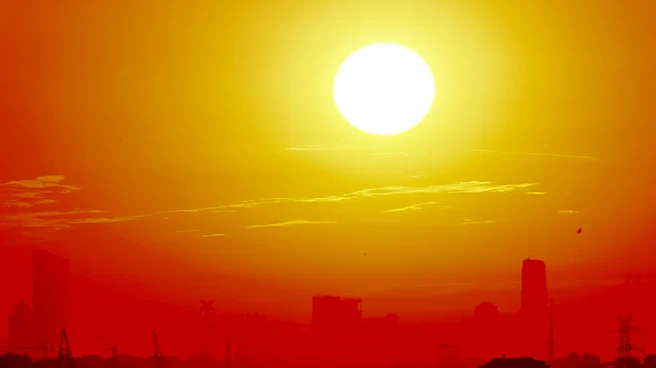
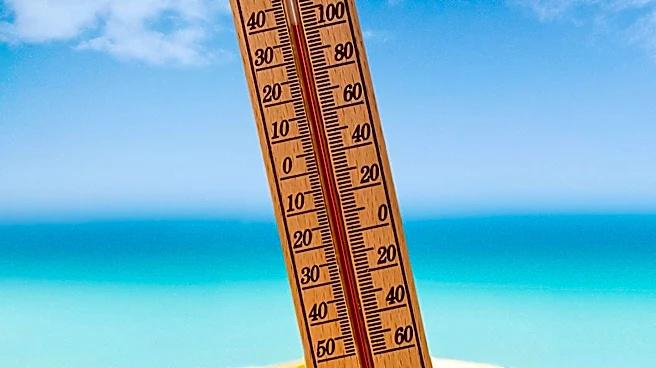
A significant heat wave is expected to hit the New York City area starting mid-week, bringing dangerously high temperatures. According to CBS News New York Meteorologist Tony Sadiku, the region will experience extreme heat conditions that could pose health
risks to residents. The forecast indicates that temperatures will rise to levels that may require public health advisories and increased caution for vulnerable populations, such as the elderly and those with pre-existing health conditions. The heat wave is part of a broader pattern of extreme weather events affecting various parts of the United States.
Why It's Important?
The anticipated heat wave in the New York City area underscores the growing concerns about climate change and its impact on urban environments. High temperatures can lead to increased energy consumption as residents rely more on air conditioning, potentially straining the power grid. Additionally, extreme heat poses health risks, particularly for vulnerable groups, and can exacerbate existing health conditions. The situation highlights the need for effective public health strategies and infrastructure resilience to cope with such weather extremes. It also raises awareness about the importance of climate adaptation measures in urban planning.
What's Next?
As the heat wave approaches, local authorities are likely to issue advisories and implement measures to protect public health. This may include opening cooling centers, issuing heat advisories, and encouraging residents to stay hydrated and limit outdoor activities during peak heat hours. The situation may also prompt discussions on long-term strategies to mitigate the effects of climate change, such as enhancing green spaces and improving building designs to reduce heat absorption. Monitoring the power grid's stability will be crucial to prevent outages during the high demand period.