







What's Happening?
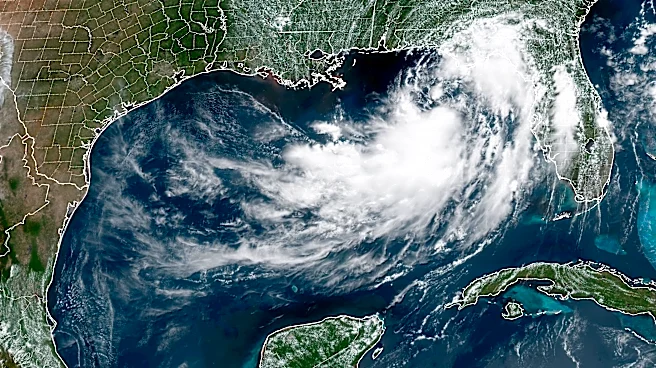
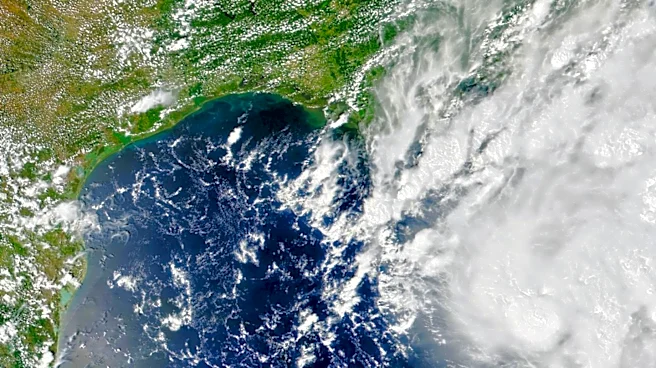
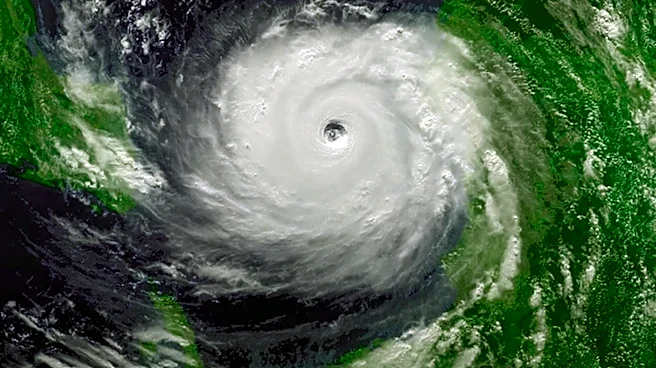
The National Oceanic and Atmospheric Administration (NOAA) has forecasted a below-normal Atlantic hurricane season, attributing this to the influence of El Niño. The prediction includes a 55 percent chance of below-normal activity, with expectations of eight
to 14 named storms, three to six hurricanes, and one to three major hurricanes of Category 3 strength or higher. El Niño is known to increase wind shear over the Atlantic, which can hinder the organization of tropical systems. Despite a quiet start to the season, with only Tropical Storm Arthur forming so far, the historically busiest period is approaching, typically peaking around September 10.
Why It's Important?
The forecast of a below-normal hurricane season could have significant implications for the southeastern United States, which often bears the brunt of hurricane impacts. Reduced hurricane activity may lead to fewer disruptions in these regions, potentially minimizing damage to infrastructure and reducing economic losses. However, the unpredictability of weather patterns means that residents and authorities must remain vigilant. The influence of El Niño, while reducing hurricane activity, can also lead to other weather anomalies, such as increased rainfall in certain areas, which could still pose risks.
What's Next?
As the season progresses, monitoring will continue, especially as the peak period approaches. Residents in hurricane-prone areas are advised to stay informed and prepared for any sudden changes in weather patterns. NOAA and other meteorological agencies will provide updates and warnings as necessary to ensure public safety. The potential for heavy rainfall and flooding remains a concern, even with a reduced number of hurricanes.