





What's Happening?
President Trump and Republican allies in Congress have allowed the expiration of enhanced subsidies for the Affordable Care Act (ACA), commonly known as Obamacare, leading to increased health care costs for Americans. According to a report by KFF, a nonpartisan
health policy nonprofit, the average deductible for Obamacare plans rose by 37%, from $2,759 in 2025 to $3,786 in 2026. This change has forced many consumers to switch to lower-premium plans that require higher out-of-pocket payments. The expiration of subsidies, which had been in place since 2021, was a significant factor in the cost increase. Democrats had attempted to preserve these subsidies during a 43-day government shutdown in late 2025 but were unsuccessful. The rising costs have become a critical issue as the midterm elections approach, with health care affordability being a major concern for voters.
Why It's Important?
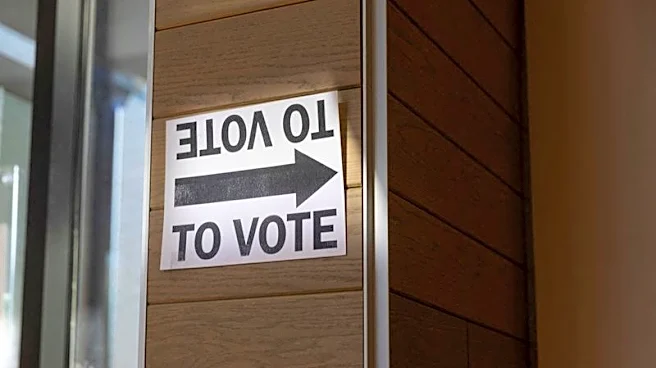
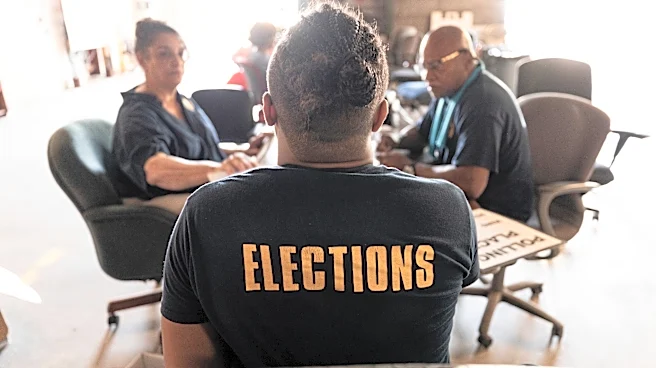
The expiration of Obamacare subsidies and the subsequent rise in health care costs have significant implications for the upcoming midterm elections. Health care affordability is a pressing issue for many Americans, with a Pew Research Center survey indicating that 73% of adults view it as a major problem. This sentiment is shared across party lines, with 85% of Democrats and 60% of Republicans expressing concern. The increased costs are particularly impactful in states that President Trump won in the 2024 presidential election, where a large portion of ACA enrollees reside. As a result, the issue of health care costs is likely to influence voter decisions and could affect the balance of power in Congress. The Democratic Party is expected to leverage this issue in their campaign messaging, highlighting the lack of action from President Trump and his allies in Congress.
What's Next?
As the midterm elections approach, health care costs are expected to remain a central issue in political discourse. Democrats are likely to continue emphasizing the impact of rising costs on American families and criticize the Trump administration's handling of the situation. The potential loss of ACA enrollees, estimated at around 5 million, could further exacerbate the issue, particularly in states that expanded enrollment when subsidies were available. Political leaders and advocacy groups may push for legislative action to address affordability concerns and restore subsidies. The outcome of the midterm elections could influence future health care policy decisions and the direction of the ACA.
Beyond the Headlines
The expiration of Obamacare subsidies and the resulting increase in health care costs highlight broader issues related to health care policy and government spending priorities. The decision to let subsidies expire reflects ongoing debates about the role of government in providing health care and managing costs. The situation also underscores the challenges of balancing budgetary concerns with the need to ensure affordable health care access for all Americans. The impact on voters in traditionally Republican states may lead to shifts in political dynamics and influence future policy discussions. Additionally, the focus on health care affordability may prompt renewed efforts to reform the health care system and address systemic issues.