



What's Happening?
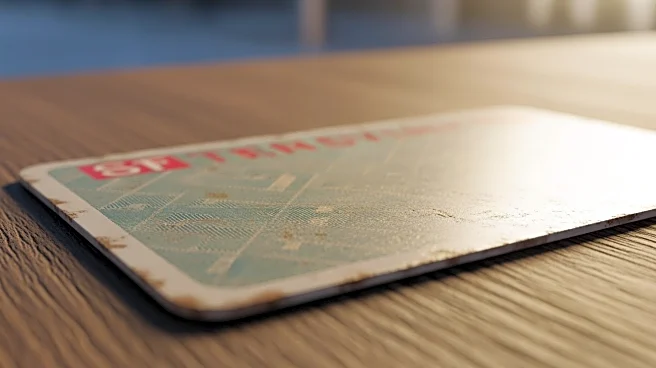
The iconic MetroCard, once a staple of New York City's public transportation system, is now being sold as a collectible item on online auction sites. Following its official retirement on December 31, 2025, the MetroCard has become a sought-after piece
of nostalgia, with some listings reaching prices as high as $3,500. Sellers are capitalizing on the card's historical significance and the nostalgia it evokes, particularly among millennials and Gen Z buyers. The MetroCard, which was introduced as a replacement for subway tokens, had been in use for three decades before being phased out in favor of the OMNY contactless payment system. Despite its retirement, the MetroCard remains a symbol of New York City's transit history, prompting collectors to pay premium prices for these once-common items.
Why It's Important?
The surge in MetroCard prices highlights the strong emotional and cultural connection many New Yorkers have with their city's transit history. As the MetroCard transitions from a practical tool to a collectible item, it underscores the broader trend of nostalgia-driven markets where everyday objects gain value as they become obsolete. This phenomenon reflects a desire among consumers to preserve tangible links to the past, particularly in a rapidly changing urban environment. The high resale value of MetroCards also illustrates the economic potential of collectibles markets, where scarcity and historical significance can drive significant financial returns for sellers. This trend may encourage similar markets for other discontinued or iconic items, impacting how people perceive and value everyday objects.
What's Next?
As the MetroCard continues to gain traction as a collectible, it is likely that more sellers will enter the market, potentially driving prices even higher. The New York City Metropolitan Transportation Authority (MTA) may also see increased interest in other transit-related memorabilia, prompting discussions about how to preserve and celebrate the city's transit history. Additionally, the success of MetroCard sales could inspire other cities to explore the collectible potential of their own transit artifacts. For collectors, the challenge will be to identify which items will hold or increase in value over time, as the market for nostalgia-driven collectibles continues to evolve.