


What's Happening?
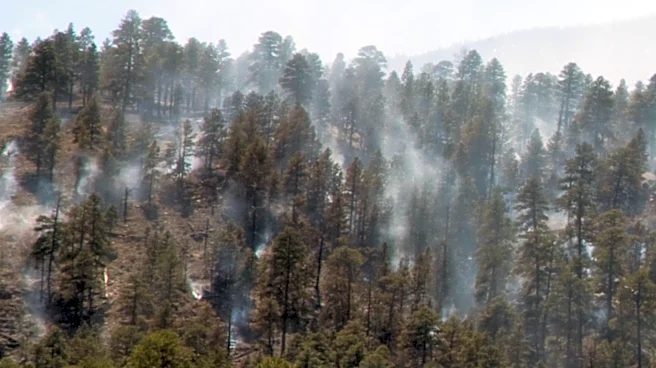
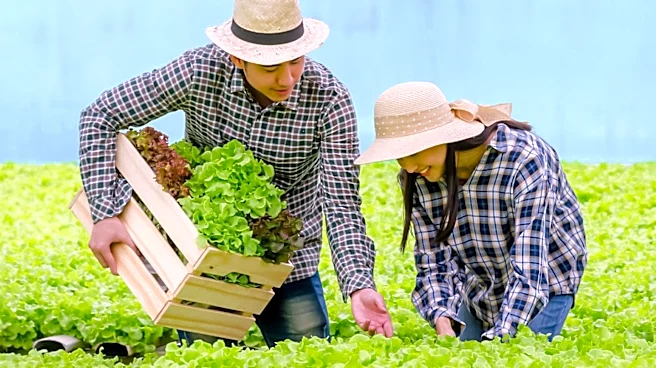
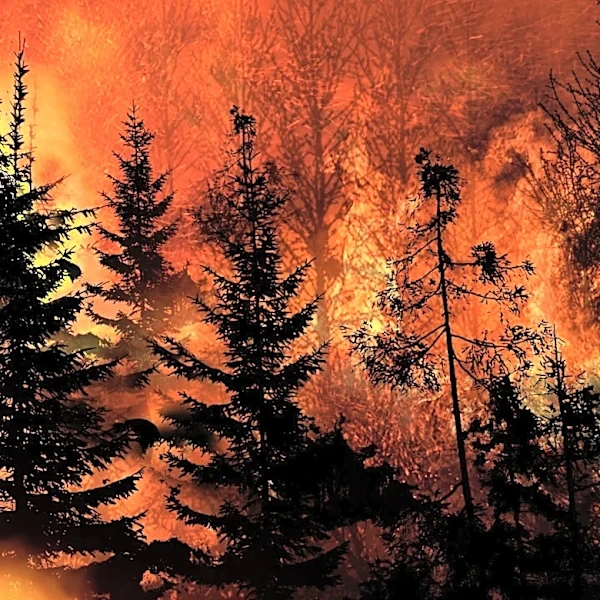
Regenerative farming practices are being adopted by some European farmers to combat the increasing threat of wildfires. In Catalonia, Spain, farmers like Sergi Caballero are using livestock grazing and water management to reduce fire risks. These methods
have improved soil water retention and reduced fire-prone vegetation. However, the ongoing drought poses challenges, with some crops failing. Regenerative farming is seen as a potential solution to landscape management and wildfire prevention, but it requires more institutional support and recognition as a public service.
Why It's Important?
As Europe faces more frequent and severe wildfires, regenerative farming presents a sustainable approach to land management that can mitigate fire risks. This method not only helps in fire prevention but also promotes biodiversity and soil health. However, the lack of institutional support and financial incentives for regenerative practices limits their widespread adoption. Recognizing and supporting these practices as essential public services could enhance their impact and encourage more farmers to adopt them, contributing to long-term environmental resilience.