






What's Happening?
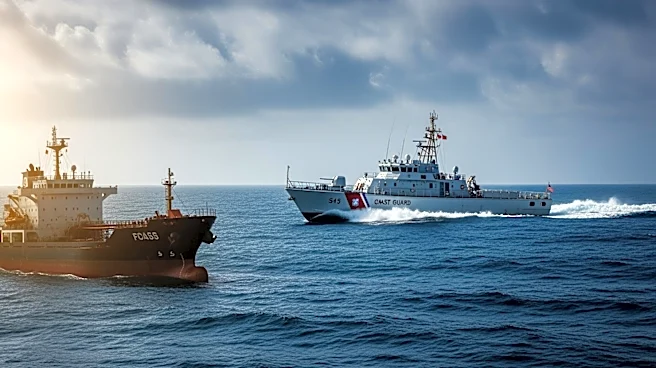
The United States and NATO allies are set to commence scaled-back naval exercises in the Baltic Sea, known as BALTOPS, from June 4 to June 20. This annual exercise, which has been held since 1971, will involve approximately 20 vessels from 15 nations
and around 6,000 personnel, marking a reduction in size compared to previous years. The exercise aims to demonstrate unity and strength to Russia amidst ongoing regional tensions. German Rear Admiral Stephan Haisch emphasized the importance of securing vital sea routes, particularly around the Swedish island of Gotland, to ensure military logistics and commercial shipping remain uninterrupted. Despite the reduced scale, the exercise remains the largest maneuver in the Baltic Sea this year, with the U.S. providing the flagship vessel, Mount Whitney.
Why It's Important?
The scaled-back nature of the BALTOPS exercise reflects operational realities as Western navies are engaged in other regions, such as the Middle East and the Arctic. However, the exercise's continuation underscores NATO's commitment to regional security and its strategic importance in the face of Russian activities. The Baltic Sea is a critical area for NATO, especially for the Baltic states, which rely on open sea routes for supplies. The exercise serves as a political signal of NATO's unity and readiness to defend its members, reinforcing the alliance's deterrence posture against potential Russian aggression.
What's Next?
As tensions with Russia remain elevated, NATO's focus on securing sea routes and enhancing military logistics in the Baltic region is likely to continue. Future exercises may see adjustments in scale and scope depending on geopolitical developments and resource availability. The alliance will likely maintain its strategic presence in the region to deter any potential threats and reassure member states of its commitment to collective defense.