






What's Happening?
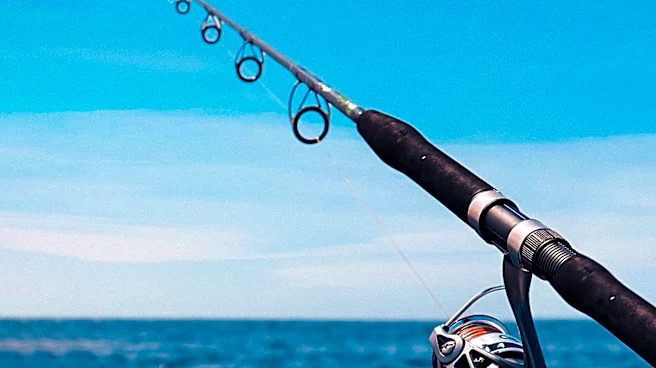
Florida anglers have been granted a 14-day window to catch red snapper this fall, following approval of a revised permit by NOAA Fisheries. The season is scheduled to run from October 9 through October 22, encompassing both Florida's Atlantic state and
federal waters. This opportunity is available to private recreational anglers and for-hire operations. Participants are permitted to keep one red snapper per person per day, with no minimum size limit. To participate, anglers and for-hire captains must possess the necessary licenses and permits. All red snapper trips must be declared via the Florida Fish and Wildlife Conservation Commission’s Atlantic Red Snapper Reporting app, and a copy of the trip declaration and Florida’s Exempted Fishing Permit must be carried on vessels. This decision follows previous regulatory changes, including a two-day season last year and a blocked proposal for a 39-day season earlier in the year.
Why It's Important?
This 14-day red snapper season is significant for Florida's recreational fishing community and the local economies that depend on it. After years of restrictive seasons, including a mere two days last year, this extended period offers a much-anticipated opportunity for anglers. The increased access could provide a boost to coastal businesses, such as bait and tackle shops, charter services, and hospitality establishments, which often see an uptick in activity during fishing seasons. However, the limited window is also expected to lead to crowded waters, as noted by local fisherman Derrick Clark, potentially impacting the quality of the fishing experience and raising concerns about congestion. The data collected during this season will be crucial for future management decisions, as the Florida Fish and Wildlife Conservation Commission (FWC) will use it to evaluate the fishery and determine the possibility of additional seasons, such as one in December 2026.
What's Next?
Following the conclusion of the 14-day red snapper season on October 22, the Florida Fish and Wildlife Conservation Commission (FWC) will collaborate with NOAA Fisheries to analyze the data collected. This evaluation will be critical in determining the potential for a second red snapper season in December 2026. Anglers are encouraged to continue reporting their catches and fishing trip information through the FWC’s reporting app and to participate in the State Reef Fish Survey, for-hire surveys, and dockside interviews when requested. These data collection efforts are vital for assessing the health of the red snapper population and informing future management decisions. The success and impact of this fall season will directly influence the likelihood and duration of subsequent fishing opportunities, shaping the future of red snapper fishing regulations in Florida.
Beyond the Headlines
The recurring challenges in establishing consistent red snapper seasons highlight the complex interplay between conservation efforts, economic interests, and recreational demand. The federal approval of this 14-day season, despite previous proposals being blocked, underscores the ongoing negotiations and scientific assessments required to manage shared marine resources. The anticipated crowding of waters during this limited window points to a broader issue of resource allocation and user conflict in popular fisheries. Furthermore, the reliance on angler-reported data through apps and surveys emphasizes a growing trend in citizen science and collaborative management, where public participation is crucial for effective conservation. This situation reflects the delicate balance authorities must strike to ensure both the sustainability of fish populations and the economic viability of fishing-dependent communities, while also addressing the recreational needs of a large angling population.