







What's Happening?
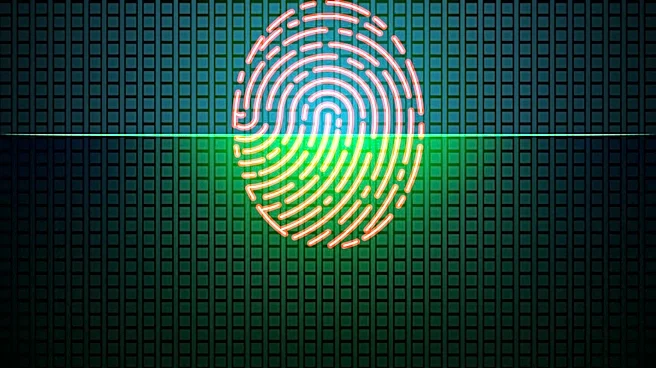
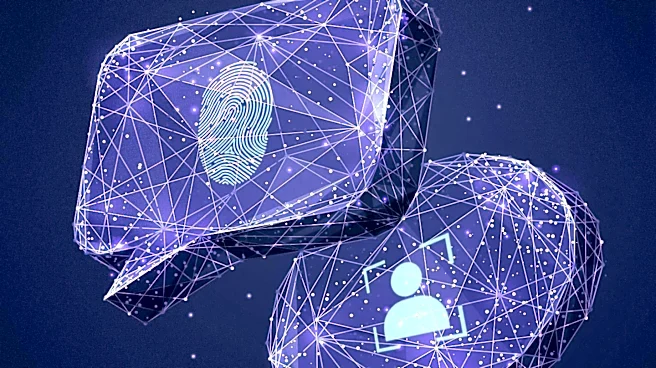
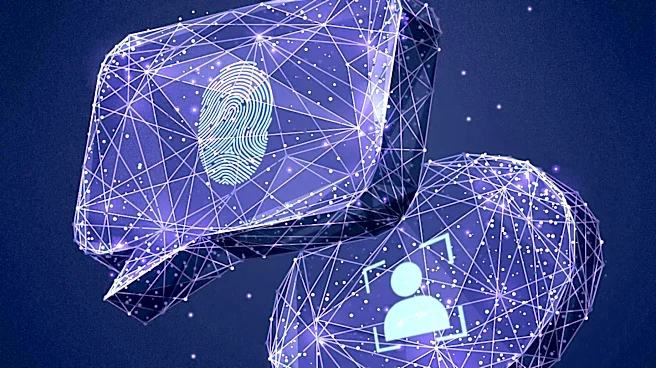
Biometric authentication, utilizing fingerprints and facial recognition, is increasingly replacing traditional passwords on consumer devices due to its convenience and enhanced resistance to phishing attacks. This shift is driven by the inherent weaknesses
of passwords, such as user tendency to reuse weak credentials and the susceptibility to credential stuffing and database breaches. While biometrics offer a faster and more user-friendly authentication experience, they introduce a new set of risks: unlike passwords, compromised biometric data cannot be changed. This permanence means that errors in data collection, storage, or sharing can have lasting consequences for individuals. Concerns also persist regarding consent, privacy, and the potential for biometric data to be collected without explicit choice, as highlighted by the 2015 breach of the U.S. Office of Personnel Management, which exposed millions of fingerprint records.
Why It's Important?
The widespread adoption of biometric authentication on consumer devices has significant implications for U.S. consumers and the tech industry. For consumers, it offers a more seamless and secure way to access devices and services, reducing the burden of managing multiple passwords. For the tech industry, it represents a major advancement in security technology, potentially leading to a reduction in support costs associated with password resets and a stronger defense against common cyber threats. However, the inability to change compromised biometrics poses a unique and critical challenge. A breach of biometric data could permanently expose an individual's identity, making them vulnerable to various forms of fraud. This necessitates robust data protection measures and clear legal frameworks, such as Illinois's Biometric Information Privacy Act, to ensure that biometric data is collected and used responsibly, with explicit consent and adherence to data minimization principles.
What's Next?
The trend of biometric authentication replacing passwords is expected to continue, with ongoing advancements in accuracy and anti-spoofing technologies. Device manufacturers and software developers will likely focus on improving the security of biometric data storage and processing to mitigate the risks associated with its immutability. There will be an increased emphasis on multi-factor authentication that combines biometrics with other security elements to create more resilient systems. Furthermore, legal and ethical debates surrounding biometric data will intensify, potentially leading to more comprehensive privacy regulations at both state and federal levels in the U.S. These regulations will aim to address issues of consent, data retention, and the potential for misuse, ensuring that technological progress does not come at the expense of individual privacy rights. The development of alternative authentication methods for individuals who cannot use biometrics or choose to opt out will also be crucial.
Beyond the Headlines
The transition to biometric authentication represents a fundamental shift in how individuals interact with technology and how their identities are secured. Beyond the immediate benefits of convenience and security, this shift raises profound questions about the nature of personal identity in the digital age. The permanence of biometric data means that individuals have limited recourse if their unique biological identifiers are compromised, leading to a potential loss of control over their digital selves. This also highlights the ethical dilemma of involuntary data collection, where individuals may be scanned in public or private spaces without their explicit consent or knowledge. The long-term implications include the potential for widespread surveillance and the creation of comprehensive biometric databases, which could be vulnerable to breaches or misuse by both state and non-state actors. Addressing these deeper societal and philosophical challenges will be critical as biometric technology continues to evolve and integrate into daily life.