






What's Happening?
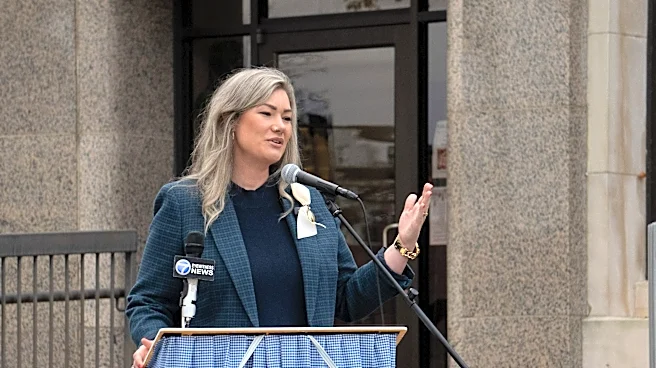
Tara Killen is running as the DFL candidate for Minnesota Senate District 10 in the 2026 election. Killen, who is also endorsed by the Forward Independence Party, emphasizes her commitment to representing all constituents, not just a select few. Her background
includes military service, 14 years in the natural gas industry managing complex projects, and experience building a small business and a non-profit. She highlights her ability to listen, negotiate, build consensus, and solve problems as essential skills for effective representation. Killen's top priorities, if elected, include strengthening democracy, bolstering local infrastructure (especially for rural schools, healthcare, and EMT services), and addressing the cost of living and rural affordability. She advocates for policies such as the creation of an independent statewide Office of the Inspector General and the Medical Assistance Protection Act to combat fraud in state-run programs, and strengthening the Homestead Credit Refund to alleviate property tax burdens.
Why It's Important?
Tara Killen's candidacy for Minnesota Senate District 10 is significant as it underscores a growing desire for bipartisan cooperation and inclusive representation in state politics. Her dual endorsement from the DFL and the Forward Independence Party signals a potential shift towards bridging political divides and focusing on common ground issues. Her professional background in project management and business, combined with military service, offers a unique blend of practical experience that could bring a results-oriented approach to the legislature. The emphasis on strengthening local infrastructure and addressing rural affordability directly tackles critical issues facing many communities outside of major metropolitan areas, potentially influencing resource allocation and policy development across the state. Her proposals to combat fraud and alleviate property tax burdens reflect key concerns for Minnesotans, indicating a focus on fiscal responsibility and economic relief for residents. Her campaign could serve as a model for candidates seeking to appeal to a broader electorate by prioritizing community needs over strict party lines.
What's Next?
As the 2026 election approaches, Tara Killen will likely continue to campaign on her platform of bipartisan representation and community-focused policies. Her ability to garner support from both the DFL and the Forward Independence Party suggests a strategy aimed at attracting voters from across the political spectrum. The focus on issues such as local infrastructure, rural affordability, and combating fraud will likely resonate with a significant portion of the electorate in Senate District 10. Voters will be evaluating her proposals against those of her opponents, particularly regarding specific policy goals for strengthening democracy, improving healthcare and education in rural areas, and providing economic relief. Her performance in the election will indicate the extent to which voters are receptive to candidates who prioritize consensus-building and broad representation over partisan politics. The outcome will also provide insight into the political leanings and priorities of the district.
Beyond the Headlines
Tara Killen's campaign highlights a deeper trend in American politics: the increasing demand for leaders who can transcend partisan divides and genuinely represent diverse community interests. Her emphasis on 'people over party' and her willingness to collaborate with different political groups speak to a broader yearning for effective governance that addresses real-world problems rather than ideological battles. This approach could foster a more collaborative legislative environment, potentially leading to more pragmatic and widely supported policies. Furthermore, her focus on strengthening democracy and ensuring all voices are heard touches upon fundamental principles of civic engagement and the health of representative government. The success of candidates like Killen could signal a shift in political culture, encouraging more individuals with diverse professional backgrounds to enter politics and prioritize problem-solving and community well-being over traditional partisan loyalties, ultimately strengthening the democratic process.