



What's Happening?
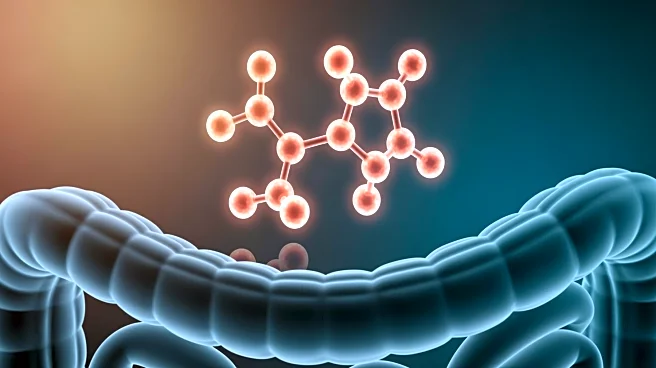
A recent study published in the journal Gut has uncovered new insights into the genetic factors influencing gut motility, with a surprising focus on vitamin B1 (thiamine) biology. Conducted by an international team led by Professor Mauro D'Amato, the research
utilized a large-scale genetic approach to analyze data from 268,606 individuals of European and East Asian ancestry. The study identified 21 genomic regions associated with bowel movement frequency, including 10 previously unreported areas. Notably, the research highlighted the role of two genes, SLC35F3 and XPR1, which are involved in thiamine transport and activation. The findings suggest that genetic variations in these genes may affect how dietary thiamine intake influences bowel habits. This discovery points to vitamin B1 metabolism as a significant pathway in gut motility, alongside established mechanisms like bile-acid regulation and nerve signaling.
Why It's Important?
The study's findings have significant implications for understanding and potentially treating gut motility disorders, such as irritable bowel syndrome (IBS), constipation, and diarrhea. These conditions affect millions of people worldwide, and the underlying biological mechanisms have been challenging to pinpoint. By identifying vitamin B1 metabolism as a key factor, the research opens new avenues for targeted therapies and preventive strategies. The genetic insights could lead to personalized dietary recommendations based on an individual's genetic makeup, potentially improving quality of life for those with gut motility issues. Furthermore, the study underscores the importance of integrating genetic data with dietary information to uncover complex biological interactions.
What's Next?
The research team plans to further investigate the role of vitamin B1 in gut motility through laboratory experiments and clinical studies. These efforts aim to validate the genetic findings and explore potential therapeutic applications. The study also encourages the scientific community to consider vitamin B1 metabolism in future research on gut motility disorders. As the understanding of these genetic pathways deepens, it may lead to the development of new treatments and interventions tailored to individual genetic profiles, ultimately enhancing patient care and outcomes.