




What's Happening?
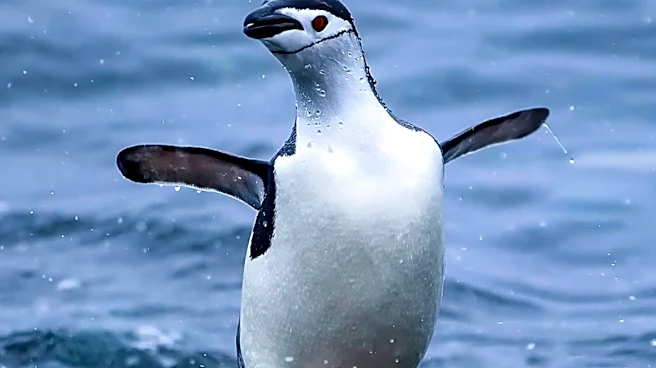
A recent drone survey conducted in January over a square mile of Antarctic rock has revealed a significant decline in chinstrap penguin nests. The survey counted 19,886 occupied nests, a stark contrast to the 49,410 nests recorded in a ground survey 45
years prior, in 1980. This represents an approximate 59% reduction in breeding pairs at the site. The drone imagery, which stitched together 1,802 photographs, also showed that the colony has fragmented into 108 separate subcolonies, whereas historically it comprised about ten breeding groups. This fragmentation means that the birds are spread across the original footprint in thinning fragments, rather than consolidating into smaller, denser blocks. The study highlights that while the overall area remains unchanged, the density of the penguin population is collapsing. The use of drones allowed for a more accurate and less disruptive counting method compared to traditional on-foot surveys, providing a fixed record that can be recounted and verified.
Why It's Important?
The drastic decline in chinstrap penguin populations serves as a critical indicator of broader ecological shifts in the Antarctic region. Chinstrap penguins are a key species in the Antarctic food web, and their dwindling numbers suggest potential disruptions to the ecosystem. The fragmentation of colonies also poses a significant threat, as smaller, scattered groups are more vulnerable to predators like skuas, which can further accelerate population decline. This situation raises concerns about the long-term health of the Antarctic environment, particularly given the concurrent pressures of krill fishing, warming waters, and changing sea ice conditions. The lack of regular surveys over the past 45 years has made it difficult to pinpoint the exact timeline and causes of the decline, underscoring the need for continuous monitoring. The data from this survey will be crucial for conservation efforts and for understanding the complex interplay of environmental factors affecting Antarctic wildlife.
What's Next?
The immediate next step involves continued monitoring of the chinstrap penguin colonies using drone technology. The cost-effectiveness and efficiency of drone surveys mean that annual coverage of these sites is now feasible, transforming single data points into observable trends. This regular data collection will be vital for understanding the dynamics of the population decline and for identifying potential interventions. Researchers will also need to analyze the collected data in conjunction with other environmental factors, such as krill availability, ocean temperatures, and sea ice extent, to determine the primary drivers of the population decrease. The findings are expected to inform international conservation policies and management strategies for the Antarctic region, potentially leading to stricter regulations on krill fishing or the establishment of more protected marine areas. The scientific community will likely use this data to advocate for more comprehensive ecological studies and long-term monitoring programs.
Beyond the Headlines
The decline of chinstrap penguins extends beyond a simple population count; it signals a profound ecological imbalance in one of the planet's most pristine environments. The fragmentation of colonies, where birds return to their original nest scrapes despite the absence of neighbors, illustrates a behavioral rigidity that makes them particularly vulnerable to environmental changes. This phenomenon highlights the intricate relationship between species behavior and ecosystem health. Furthermore, the technological advancement of drone surveying offers a new paradigm for ecological research, enabling non-invasive, high-resolution data collection that was previously impossible or prohibitively expensive. This shift could revolutionize how scientists track wildlife populations and assess environmental impacts globally. The ethical implications of human activities, such as krill fishing and carbon emissions contributing to climate change, are brought into sharp focus, urging a reevaluation of our stewardship of remote and fragile ecosystems like Antarctica.