





What's Happening?
The U.S. Department of Agriculture's Animal and Plant Health Inspection Service has confirmed the detection of a New World screwworm in a calf in Zavala County, Texas. The USDA and Texas officials are taking immediate action to contain and eradicate the pest,
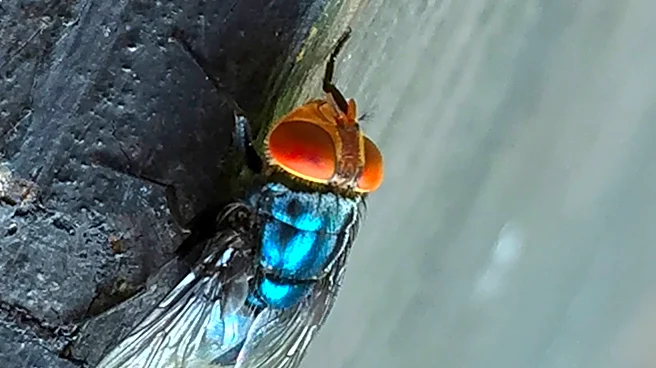
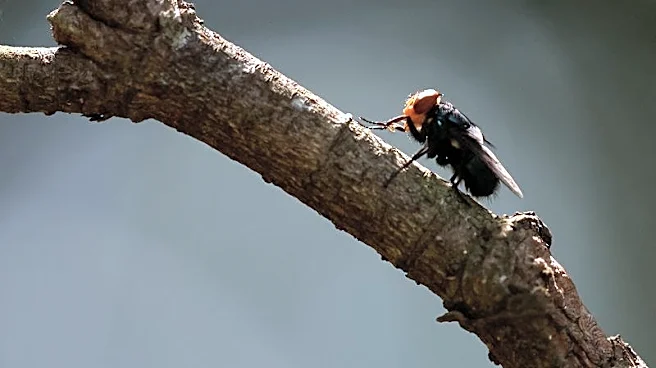
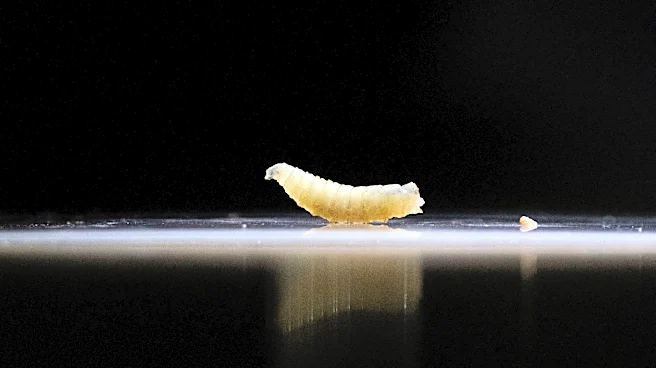
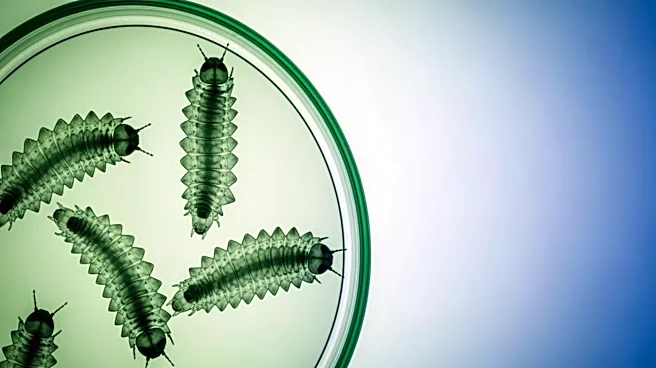
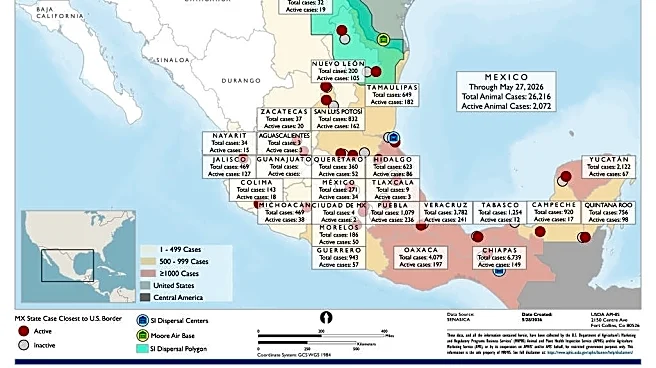
including establishing a 20 km infested zone around the detection site and enforcing quarantines, movement controls, and surveillance in the area. The screwworm, known for its larvae that eat living tissue, poses a threat to livestock and can cause significant economic losses in the agricultural sector. The USDA has invested heavily in tools to eliminate the screwworm, which has been detected in Central America and Mexico.
Why It's Important?
The presence of the New World screwworm in Texas is a serious concern for the agricultural industry, as it can lead to substantial economic losses due to livestock infestations. The USDA's proactive measures are essential to prevent the spread of the screwworm and protect the health of animals and potentially humans. The establishment of quarantines and increased surveillance are critical to containing the infestation and safeguarding the agricultural economy. The USDA's efforts to eradicate the screwworm are crucial to maintaining the stability of the U.S. livestock industry and preventing further outbreaks.
What's Next?
USDA and Texas officials will continue to enforce quarantines and movement controls within the infested zone, while intensifying surveillance efforts to detect any further cases. The USDA's National Veterinary Services Laboratories will analyze samples to confirm the presence of the screwworm and guide eradication efforts. Collaboration between federal and state agencies will be key in managing the situation and ensuring the safety of livestock and public health. Ongoing monitoring and response efforts will be necessary to prevent the spread of the screwworm and protect the agricultural sector.