




What's Happening?
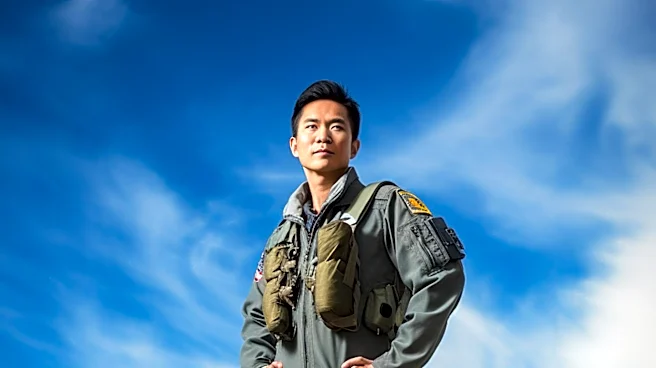
US Air Force Major Jason Watson, who was previously arrested for calling for President Trump's impeachment at the US Capitol, has been detained again. This latest detention occurred shortly after he criticized President Trump in an exclusive CNN interview.
According to his attorney, Chris Mutimer, Watson was arrested while on duty after informing his chain of command that he would no longer wear his uniform. Mutimer suspects the detention is related to Watson's recent public statements. The Air Force spokesperson confirmed that Major Watson was "ordered into pretrial confinement" due to "probable cause to support allegations of continued misconduct" and that the case is under investigation. Watson is currently held in a county facility in Maryland on a military hold. Potential charges could include Article 88 (contempt towards an officer) or Article 92 (failure to obey), possibly related to his refusal to wear his uniform.
Why It's Important?
This incident highlights the strict regulations governing military personnel's conduct, particularly concerning political activities and dissent. Article 88 of the Uniform Code of Military Justice (UCMJ) criminalizes contemptuous words against the President and other high-ranking officials, making public criticism by active-duty service members a serious offense. Major Watson's repeated actions and subsequent detentions underscore the tension between individual rights to free speech and the military's need for discipline and adherence to chain of command. This case could set a precedent for how the military handles public dissent from its members, especially when it involves criticism of the Commander-in-Chief. It also brings to light the challenges faced by service members who feel compelled to speak out on political matters, potentially risking their careers and freedom. The situation could spark broader discussions about the balance between military order and constitutional freedoms within the armed forces.
What's Next?
Major Watson is currently in pretrial confinement, and the Air Force investigation into his alleged misconduct is ongoing. His attorney anticipates formal charges, likely under Article 88 or Article 92 of the UCMJ, related to his refusal to wear his uniform and potentially his public statements. A court-martial process would follow, where evidence will be presented, and a decision will be made regarding his guilt or innocence. The outcome of this case could have significant implications for Major Watson's military career and could influence how similar cases of military dissent are handled in the future. Public and legal scrutiny will likely focus on the application of military law in cases involving political expression, especially given the high-profile nature of his criticism against President Trump. The case may also prompt further debate within military and legal circles about the scope of free speech for service members.
Beyond the Headlines
Major Watson's actions and subsequent detentions delve into the complex ethical and legal dimensions of military service and individual conscience. His willingness to "pay a price" for speaking out against the administration raises questions about the moral obligations of service members when they perceive constitutional violations or misconduct by their superiors, including the President. This case could become a touchstone for discussions on civil disobedience within the military, a concept rarely explored due to the inherent hierarchical structure and disciplinary requirements of armed forces. It also highlights the potential for political polarization to permeate even traditionally apolitical institutions like the military. The broader implications could include a re-examination of military regulations concerning political speech, potentially leading to clearer guidelines or, conversely, a reinforcement of existing restrictions. The case also serves as a stark reminder of the personal sacrifices individuals may make when they choose to challenge authority, particularly within a highly structured environment like the military.