

What's Happening?
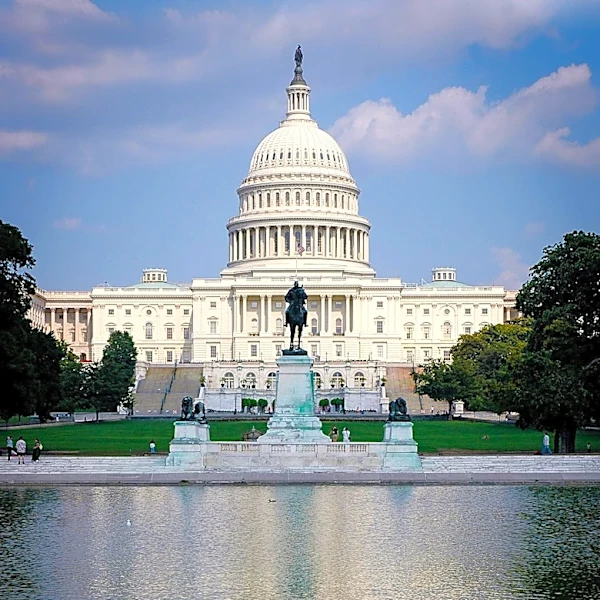
U.S. Senators Jeanne Shaheen (D-NH) and Tom Cotton (R-AR) announced that their bipartisan resolution to designate November 15, 2026, as National Warrior Call Day has unanimously passed the U.S. Senate. The resolution emphasizes the critical need for all Americans
to engage with both active-duty service members and veterans to foster meaningful relationships. This initiative aims to combat mental illness and address the high rates of suicide within the military community. Senator Shaheen highlighted that no veteran should feel isolated while struggling with mental health, especially given their sacrifices for national freedoms. She stressed that Warrior Call Day is a vital step in connecting veterans with necessary resources and reducing the stigma associated with seeking mental health care. Senator Cotton echoed these sentiments, stating that military members and veterans deserve comprehensive support for healthy lives post-service and that the resolution will raise awareness about the importance of their mental well-being. The resolution received broad bipartisan support, with cosponsors including Senators Richard Blumenthal (D-CT), Mazie Hirono (D-HI), John Hickenlooper (D-CO), Cory Booker (D-NJ), Catherine Cortez Masto (D-NV), Tammy Baldwin (D-WI), John Fetterman (D-PA), Jacky Rosen (D-NV), Elizabeth Warren (D-MA), Michael Bennet (D-CO), Dan Sullivan (R-AK), Ted Budd (R-NC), Tim Sheehy (R-MT), Eric Schmitt (R-MO), Rick Scott (R-FL), and John Boozman (R-AR).
Why It's Important?
The unanimous passage of the National Warrior Call Day resolution underscores a significant bipartisan commitment in the U.S. Senate to address the mental health crisis among service members and veterans. This initiative is crucial because it aims to foster a national culture of support and connection, which can be a powerful antidote to the isolation often experienced by those who have served. By encouraging outreach and relationship-building, the resolution seeks to create a more robust support network, potentially reducing instances of mental illness and suicide. The bipartisan nature of the resolution signals a unified front on an issue that transcends political divides, reinforcing the idea that the well-being of military personnel is a national priority. This collective legislative action can help destigmatize mental health discussions within military communities, making it easier for individuals to seek and accept help. Furthermore, it highlights the ongoing need for sustained efforts and resources to support the mental health of those who have dedicated their lives to national defense, impacting countless families and communities across the nation.
What's Next?
With the resolution passed, the focus will shift towards its implementation and public awareness campaigns leading up to November 15, 2026. Organizations supporting veterans and military families are expected to amplify the message of National Warrior Call Day, encouraging widespread participation. This could involve public service announcements, community events, and digital campaigns aimed at educating Americans on how to effectively reach out to service members and veterans. Lawmakers may continue to monitor the impact of this initiative and potentially explore further legislative actions or funding to enhance mental health services for the military community. The success of Warrior Call Day will likely depend on sustained engagement from both governmental and non-governmental entities, as well as individual citizens, to ensure that the call to connect translates into tangible support and improved mental health outcomes for those who have served.
Beyond the Headlines
The establishment of National Warrior Call Day reflects a deeper societal recognition of the invisible wounds of war and the long-term psychological impact of military service. Beyond immediate outreach, this initiative could catalyze broader discussions about systemic issues in military mental healthcare, including access to services, the quality of care, and the transition process for veterans returning to civilian life. It also highlights the evolving understanding of national duty, extending beyond physical defense to include comprehensive support for the well-being of service members. This resolution could set a precedent for future national observances focused on specific aspects of public health or social welfare, demonstrating the power of legislative action to foster collective responsibility and empathy. Ultimately, it aims to weave a stronger fabric of community support around those who have served, acknowledging their sacrifices and ensuring they are not left to struggle alone.